Bobbie Goods Do Sonic
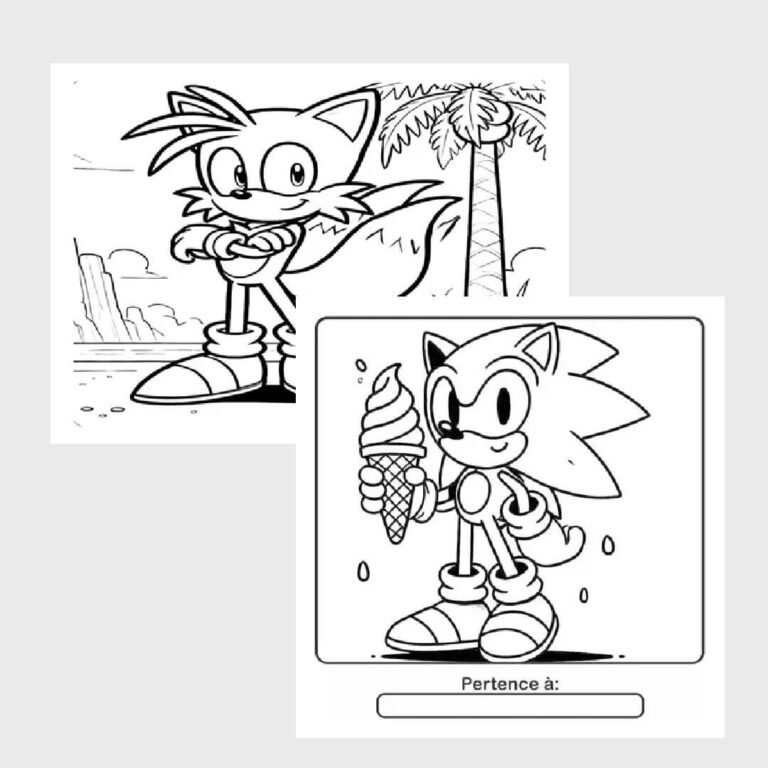
Bobbie Goods Do Sonic represents a fascinating intersection where playful imagination meets structured phonics practice, inviting children and educators to explore language through sound and story.
What Are Bobbie Goods Do Sonic
Bobbie Goods Do Sonic is a concept built around the lively character Sonic the Hedgehog paired with the charming name Bobbie, creating a memorable hook for early literacy activities. In this framework, learners associate playful narratives with targeted phonics patterns, reinforcing letter sound relationships in a low pressure, highly engaging way. The combination of a recognizable hero like Sonic and a relatable everychild figure like Bobbie helps anchor abstract sound patterns in concrete, friendly imagery.
Educators and parents might use Bobbie Goods Do Sonic as a themed unit within reading workshops, where each session focuses on a specific sound family while Sonic guides learners through challenges and rewards. This approach can include listening tasks, sound sorting games, and simple writing prompts that all revolve around the central idea of sonic exploration. By rooting these activities in a cohesive story world, the practice feels like play rather than drill, which can increase motivation and retention for emerging readers.

How Sonic Enhances Phonics Engagement
Sonic the Hedgehog brings speed, adventure, and vivid sound effects that naturally capture attention, making him an ideal mascot for phonics practice focused on the Bobbie Goods Do Sonic theme. When children imagine Sonic zipping through levels while they isolate initial sounds or blend letter patterns, the cognitive load of decoding feels lighter and more enjoyable. The energetic persona of Sonic can be tied to fast paced sound games, where learners race to identify target phonemes before a timer, mirroring Sonic’s signature urgency.
Visual cues featuring Sonic can highlight tricky graphemes, turning common error patterns into opportunities for playful correction rather than frustration. For example, a worksheet might show Sonic sliding past a loop while learners decide whether the word needs a double consonant or a silent e, deepening their understanding of spelling rules. Because Sonic is already familiar to many children, referencing him in structured activities reduces the need for lengthy explanations and lets the focus stay on the target sounds.
Integrating Bobbie Into Learning Scenarios
Bobbie serves as a grounded companion character in the Bobbie Goods Do Sonic framework, representing the learner who embarks on a journey with Sonic and gradually masters new skills. Teachers can frame lessons as missions where Bobbie and Sonic travel through sound maps, collecting words that share specific patterns and leaving behind noisy distractions. This narrative structure supports consistent routines, as students come to recognize each phase of the lesson by the roles Bobbie and Sonic play in the story.

Small group work can revolve around co creating stories where Bobbie and Sonic encounter words that need sorting, blending, or segmenting, encouraging collaborative problem solving. Individual practice can also follow this model, with students taking turns choosing sound cards that guide Bobbie through a maze illustrated with Sonic themed obstacles. Such activities align with research on narrative based learning, which shows that embedding tasks in a coherent storyline improves memory and application across contexts.
Designing Activities Around Bobbie Goods Do Sonic
Effective activities for Bobbie Goods Do Sonic might include sound scavenger hunts where learners listen for target phonemes in words and then match them to Sonic themed picture cards. Teachers can create simple board games in which players move Bobbie and Sonic along a path by correctly identifying rimes, digraphs, or blends hidden in word families. These hands on experiences support auditory discrimination and reinforce the connection between heard sounds and written symbols.
Another approach involves building word chains where each new word must contain the focus sound and connect to the previous one, forming a sonic trail across the page. Learners can illustrate their chains, adding details of Sonic in motion and Bobbie observing, which strengthens visual memory alongside phonemic awareness. By rotating different activity types within the same thematic frame, educators keep engagement high while ensuring repeated exposure to critical sound patterns.

Supporting Diverse Learners With Sonic Themed Practice
The Bobbie Goods Do Sonic framework can be adapted for a wide range of reading levels, from early phonics learners tackling single letter sounds to more advanced students exploring complex spelling patterns. For younger or struggling readers, activities might emphasize listening and speaking, using Sonic sound effects as cues before introducing written text. Gradually, images can be paired with words, and eventually words can stand alone, allowing students to build independence at a comfortable pace.
For English language learners or students with dyslexia, the strong visual and narrative elements of Sonic and Bobbie can provide additional scaffolding, reducing anxiety around new phonetic structures. Consistent routines, clear symbols, and multisensory tasks such as tracing letters in sand while saying Sonic’s signature moves can reinforce memory through multiple channels. By varying the intensity and format of Bobbie Goods Do Sonic activities, teachers can meet individual needs without sacrificing the playful spirit of the theme.
Measuring Progress Within a Sonic Inspired Framework
Teachers can track growth in the Bobbie Goods Do Sonic context by observing how quickly and accurately students identify target sounds during themed games and sorting tasks. Simple checklists focused on specific phonics skills, such as initial blends or vowel patterns, can be used alongside anecdotal notes about student confidence and participation. Digital tools, if available, might incorporate Sonic themed sound cards that respond when learners correctly isolate or manipulate phonemes, providing immediate feedback.

Periodic reviews can include short, low pressure assessments where students read word lists or simple sentences featuring Bobbie and Sonic characters, noting improvements in accuracy and fluency over time. Portfolios that collect drawings, dictated sentences, and early writing samples themed around Sonic adventures offer a rich picture of development beyond standardized metrics. When assessment feels like part of the story rather than an interruption, learners are more likely to see themselves as capable readers in the world of Bobbie Goods Do Sonic.
In conclusion, Bobbie Goods Do Sonic offers a flexible, story driven lens for strengthening phonics skills, blending the excitement of Sonic with the approachable presence of Bobbie to support a wide variety of learners.
ARTE DIVERTIDA PINTANDO * Sonic com muito capricho!
Hoje foi dia de pintar o Sonic com muita cor e capricho! 🖌️ Risadas, arte e diversão para toda a família.
