Fantasia Kung Fu Panda
Fantasia Kung Fu Panda combines the imaginative musical storytelling of Disney’s Fantasia with the heartfelt martial arts journey of Po, creating a unique crossover that delights fans of animation and kung fu alike. This imaginative blend invites viewers into a world where orchestral melodies shape the flow of combat, and every punch and kick seems to dance in rhythm with a grand symphonic score.
The Origin of Fantasia Kung Fu Panda
The concept of Fantasia Kung Fu Panda emerges from a playful imagining that merges two beloved franchises into one spectacular experience. While not an official production, this idea draws inspiration from the way Fantasia used classical music to drive narrative, applying that same dynamic to the already kinetic world of kung fu mastery found in the Kung Fu Panda series.
At its core, this fusion is about highlighting the artistic synergy between visual storytelling and music. The original Fantasia showcased how abstract compositions could inspire fluid, emotional animation, and applying that lens to Po’s journey emphasizes the grace and power behind his martial arts, turning each scene into a moving concerto.
How Music Shapes the Narrative
In Fantasia Kung Fu Panda, music is not just background; it becomes the guiding force behind the choreography of every battle. Imagine Po moving in perfect time with sweeping orchestral crescendos, his staff spinning like a metronome, each strike and parry accentuated by a powerful brass section or a delicate string passage.
- Classical pieces provide a majestic backdrop that elevates epic duels into balletic performances.
- Rhythmic percussion turns training sequences into energetic workouts where timing and precision are everything.
- Emotional melodies highlight Po’s personal struggles, making his victories feel earned and deeply moving.
This approach transforms the narrative structure, allowing the soundtrack to lead viewers through tension and release, much like the original Fantasia did with its abstract visuals, but grounded in the concrete world of martial arts and friendship.
Character Design and Visual Style
The visual style of Fantasia Kung Fu Panda would likely blend the lush, painterly backgrounds of Fantasia’s segments with the stylized, expressive character models of the Kung Fu Panda universe. Imagine watercolor-inspired landscapes flowing into crisp, dynamic fight scenes where motion lines and exaggerated poses amplify the musical rhythm.

Character animations could emphasize fluidity, stretching and compressing in time with the score, giving Po and his friends a slightly more surreal, iconic look. During quiet moments, the art might soften into impressionistic scenes, while action set pieces explode into vibrant, almost hallucinatory bursts of color and energy aligned with the orchestration.
The Emotional Core of the Story
Despite the fantastical musical treatment, the heart of Fantasia Kung Fu Panda would remain Po’s journey of self-discovery. The music would underscore his doubts, hopes, and triumphs, turning his growth from a clumsy panda into a true master into a series of emotional arias and triumphant fanfares.
Supporting characters like Shifu, Tigress, and the Furious Five would also gain richer musical themes, reflecting their personalities and relationships with Po. A gentle piano motif for Shifu’s stern care, a bold brass line for Tigress’s disciplined strength, and a playful woodwind section for Mantis’s humor would deepen the storytelling without a single line of dialogue.

Imagining the Action Sequences
Action sequences in Fantasia Kung Fu Panda would feel like living concertos, where the choreography and music are born from the same creative impulse. Each fight could flow like a symphonic movement, with quiet introspective passages building to climactic chords of kinetic combat.
- Slow, melodic sequences highlighting Po’s inner struggles might precede explosive battle rondos.
- Duets between Po and Tigress could echo call-and-response motifs, showcasing their growing trust and synergy.
- Climactic battles might layer multiple musical themes, representing the convergence of past lessons, present courage, and future potential.
This treatment would not only entertain but also educate viewers on musical structure, using visual storytelling to make concepts like tempo, dynamics, and harmony intuitively understandable through movement and imagery.
Legacy and Cultural Impact
Fantasia Kung Fu Panda, as a conceptual project, highlights the timeless appeal of blending narrative animation with classical music. It reminds us that stories of perseverance, friendship, and self-belief resonate just as powerfully when wrapped in the grandeur of orchestral soundscapes.

By imagining such a crossover, fans celebrate the enduring legacies of both franchises, appreciating how each contributes unique elements to a shared artistic vision. This imagined fusion encourages viewers to revisit both the Fantasia segments and the Kung Fu Panda films with fresh ears and eyes, finding new connections between music and movement.
Ultimately, Fantasia Kung Fu Panda serves as a creative thought experiment, demonstrating how two distinct styles can come together to create something magical, inspiring both nostalgia and wonder in audiences of all ages.
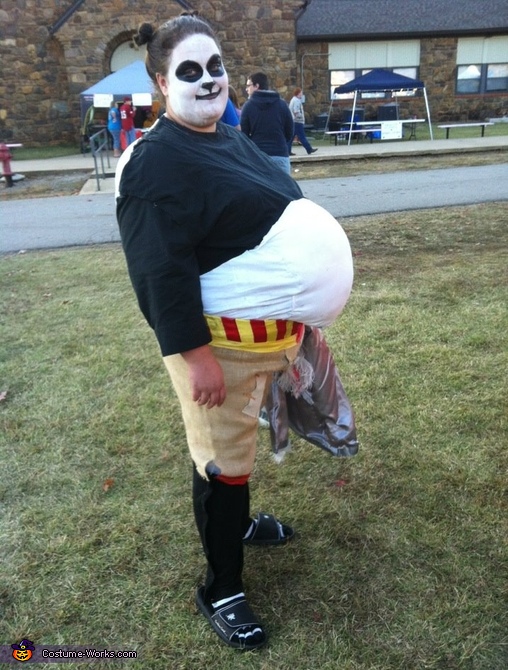
My best attempt at transforming into Po from Kung Fu Panda 💥 #sfxmakeup #cosplaymakeup
