Foto Do Freddy Do Five Nights At Freddy's
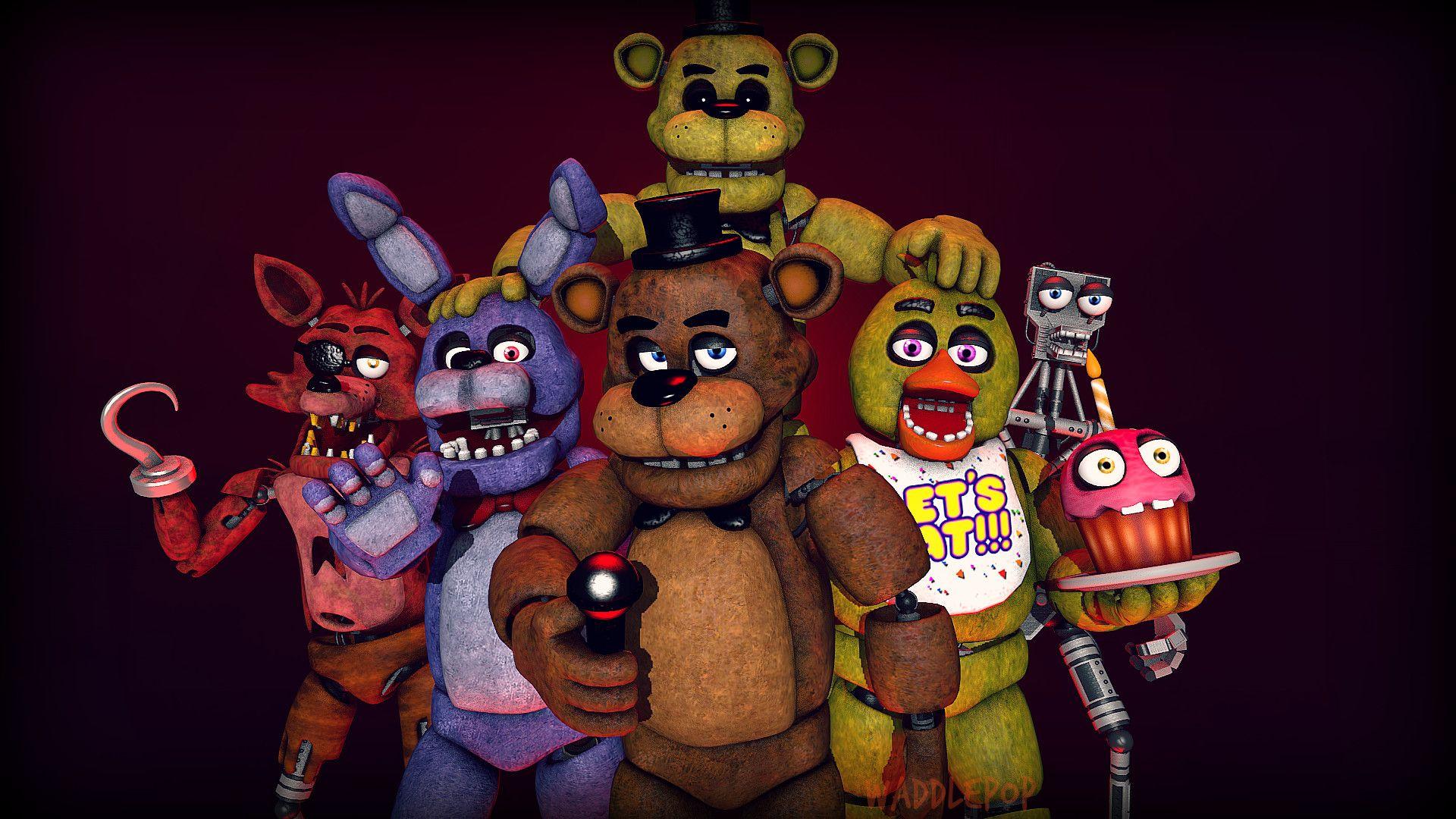
Within the vast universe of horror gaming, few icons are as instantly recognizable as the eerie smile of Foto Do Freddy Do Five Nights At Freddy's, a chilling symbol that has haunted players since the original indie release.
The Origins and Evolution of Freddy Fazbear's Visual Design
The journey of Foto Do Freddy Do Five Nights At Freddy's begins long before the first jump scare, tracing back to the colorful, whimsical aesthetic of the original animatronics designed for family entertainment. Early concept art and promotional materials presented a starkly different version of Freddy, one that was bright, cartoonish, and intended to evoke a sense of nostalgic fun rather than creeping dread. However, the genius of the series lies in the subversion of this innocence, and over the years, the visual interpretation of Freddy has evolved through various iterations, fan art, and in-game models, culminating in the sinister and weathered appearance that defines the modern "Foto Do Freddy" aesthetic.
As the franchise expanded with sequels and spin-offs, the design philosophy shifted from simple mascot to monstrous predator, a transformation clearly visible in the progression of Freddy's textures, lighting, and proportions. What started as a simple polygonal mascot in the first game became a far more detailed and terrifying entity, with features like dirtier textures, more pronounced teeth, and a signature withered look that suggests decay and malfunction. This evolution is not just a technical upgrade but a narrative one, where each new version of Freddy serves as a visual testament to the dark secrets buried within Fazbear's Fright, making the "Foto Do Freddy" a powerful symbol of the series' descent into horror.
The Psychology Behind Freddy's Terrifying Presence
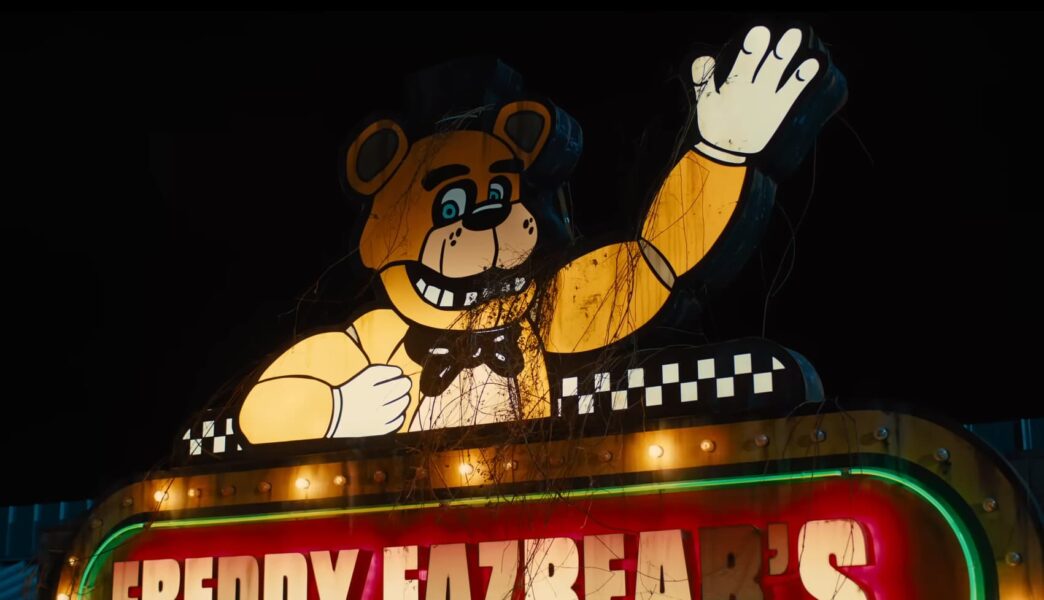
Part of the enduring power of Foto Do Freddy Do Five Nights At Freddy's comes from the masterful use of "uncanny valley" in his design. Freddy is recognizably a bear, yet his movements are stiff, his proportions slightly off, and his facial expression frozen in a permanent, unsettling grimace. This deliberate distortion of a familiar, friendly form triggers a deep-seated psychological discomfort in players, making the character feel less like a toy and more like a corrupted, living entity. The result is a figure that is simultaneously laughable and horrifying, a juxtaposition that amplifies the tension every time he appears on the security camera feeds.
Furthermore, Freddy's design leverages our fear of the dark and the unknown through expert audio-visual storytelling. The stark contrast of his dark silhouette against the glow of monitor screens, combined with the iconic, discordant sound of his jingle playing out of sync, creates a multi-sensory nightmare. The "Foto Do Freddy" is never just a static image; he is a dynamic threat whose presence is signaled by sound and shadow long before he fully materializes. This combination of visual distortion and auditory dread cements Freddy as a character who preys on the player's imagination, making him one of the most psychologically resonant villains in gaming history.
The Role of Fan Art and Community Creations
While the official models of Freddy are terrifying in their own right, the "Foto Do Freddy" phenomenon has been significantly amplified and reimagined by the dedicated fan community. Artists and creators across platforms have taken the core design and run with it, producing an incredible volume of fan art that explores the character's lore, age, and potential origins. These creations range from hyper-realistic renderings that push the horror aesthetic to new heights to cute, chibi-style interpretations that offer a bizarre, ironic counterpoint to the original terror. This grassroots creativity has solidified Freddy's status as a pop-culture icon, ensuring that the character remains relevant and endlessly discussable long after the release of each new game.
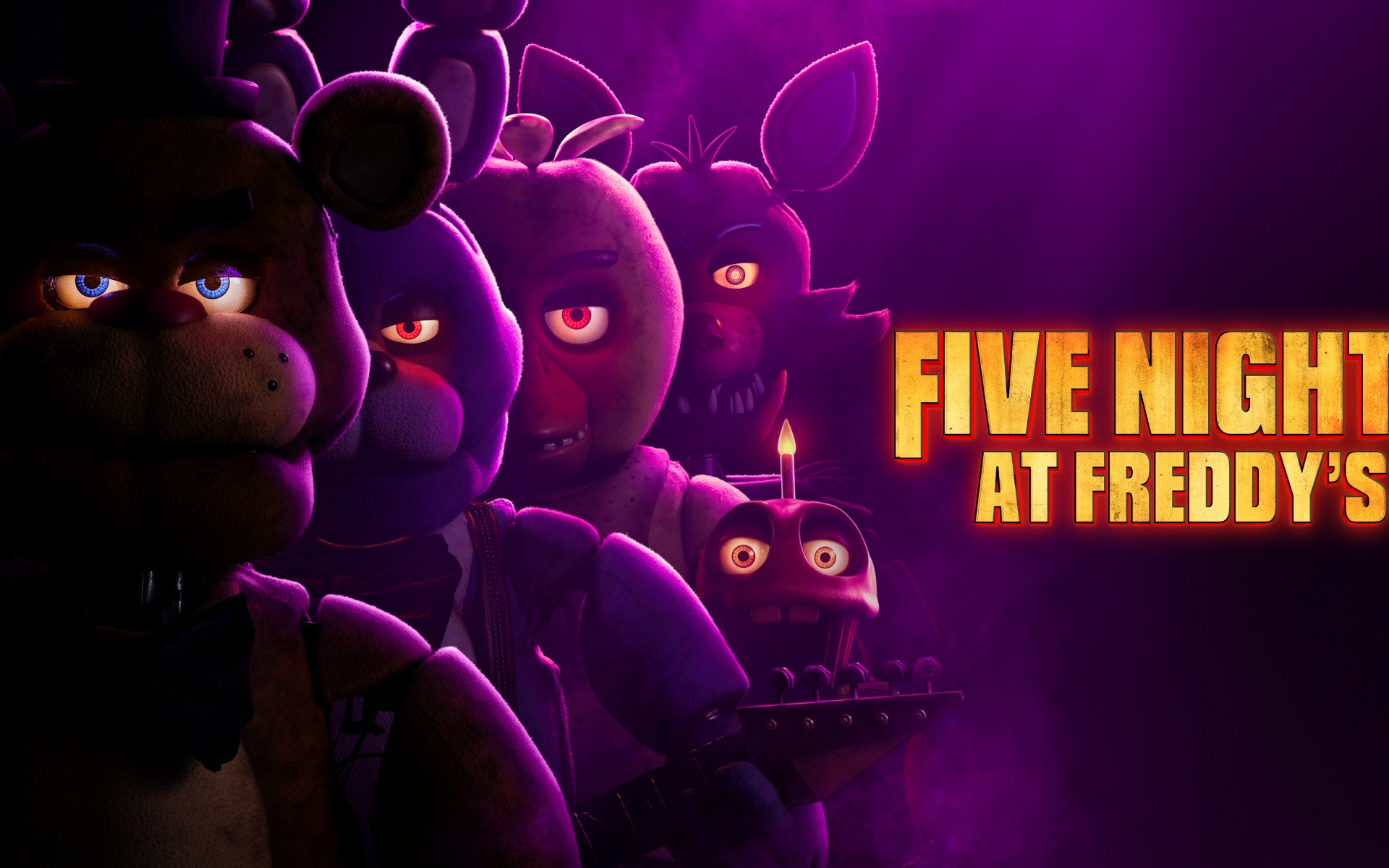
Fan interpretations have also played a crucial role in filling the gaps left by the intentionally vague storytelling of the main series, leading to countless theories and headcanons about Freddy's backstory and motivations. From tragic souls trapped inside the suits to ancient, eldritch beings wearing the facade of a children's entertainer, these community-driven narratives add incredible depth to the character. The "Foto Do Freddy" thus becomes a canvas upon which fans project their own fears and theories, transforming a simple game asset into a complex and multifaceted symbol of the horror genre's ability to inspire collective imagination.
The Iconic Merchandising and Real-World Influence
The reach of Freddy Fazbear extends far beyond the digital realm, with the "Foto Do Freddy" becoming a ubiquitous symbol in the world of horror merchandise. From action figures and plush toys to t-shirts and posters, the image of Freddy is a commercial powerhouse, proving that horror icons can be just as marketable as their heroic counterparts. This merchandising success is a testament to the design's simplicity and memorability; the silhouette of Freddy's head is instantly recognizable, requiring only a few key features to evoke the entire atmosphere of the game. The ability to sell a plush version of the very thing designed to scare players is a unique testament to the bizarre appeal of the franchise.
Moreover, Freddy's influence has seeped into broader popular culture, inspiring countless other horror characters and becoming a shorthand for the "creepy animatronic" trope. The "Foto Do Freddy" is frequently parodied, referenced, and homaged in other games, online videos, and social media memes, demonstrating his status as a true icon of internet culture. This widespread recognition ensures that even those who have never played a Five Nights at Freddy's game are likely to be familiar with his distinctive look, cementing his place in the collective consciousness as one of the most famous figures in modern horror.
The Enduring Legacy of the Freddy Fazbear Phenomenon
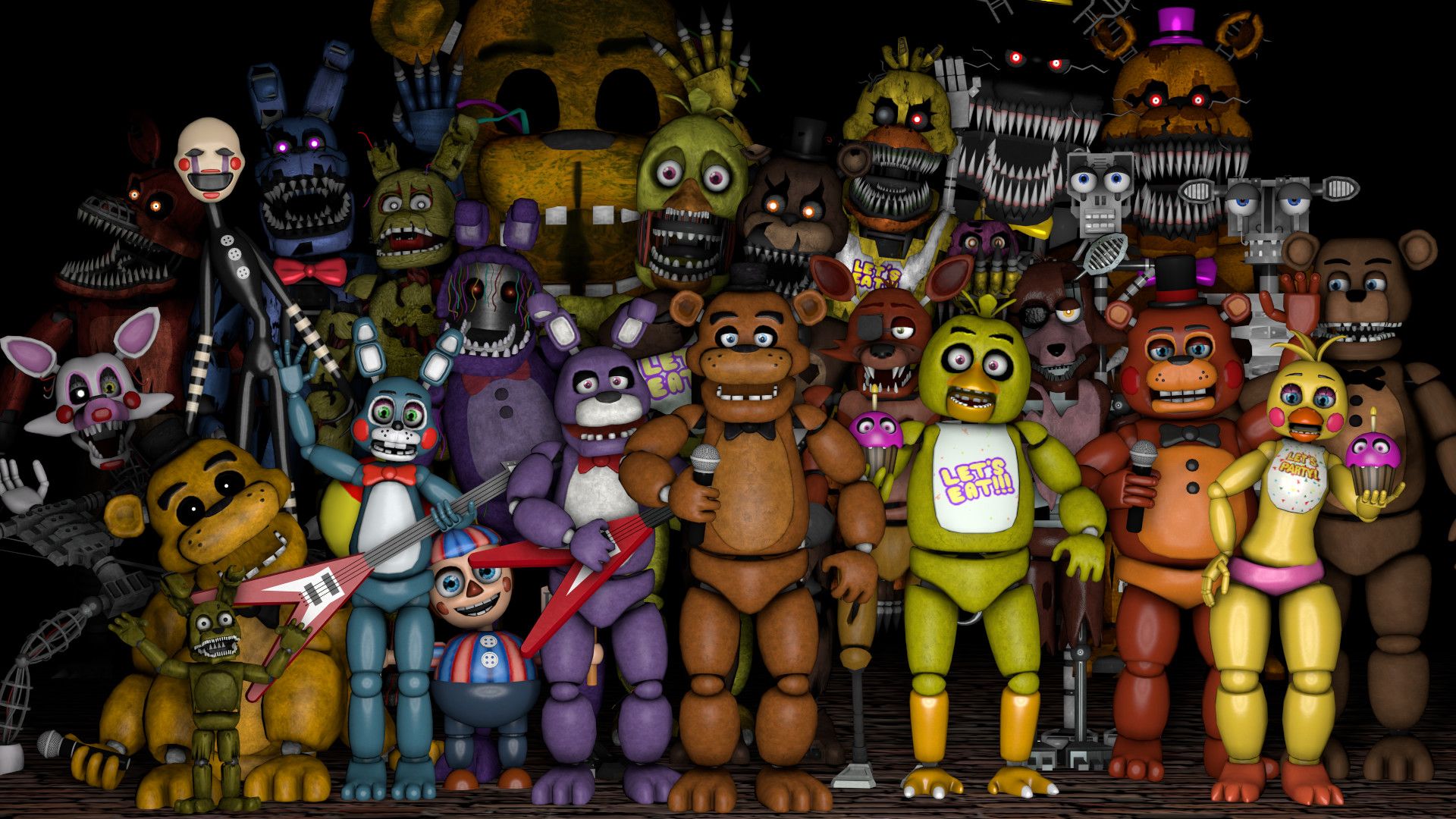
Looking back, the "Foto Do Freddy Do Five Nights At Freddy's" is far more than just a character portrait; it is the central pillar of a sprawling and deeply influential horror saga. Freddy's design has successfully evolved alongside the series itself, moving from a simple mascot to a complex embodiment of corporate greed, lost childhood, and ancient evil. His image is a masterclass in minimalist horror, using simple shapes and bold contrasts to create a figure that is instantly memorable and deeply unsettling. The legacy of Freddy is a testament to the power of strong visual identity in building a lasting and terrifying mythos.
Ultimately, the enduring popularity of Freddy Fazbear lies in the masterful way his design supports the core themes of the games: the loss of innocence, the horror of being watched, and the inescapable nature of a past that refuses to stay buried. The "Foto Do Freddy" is a portal back to the dimly lit security office, the feeling of helplessness as the lights flicker, and the ear-piercing sound of his music box. He is a monster born from pixels and imagination, and his chilling presence continues to captivate, terrify, and intrigue a new generation of fans, ensuring that the legacy of Freddy Fazbear will haunt the halls of pop culture for years to come.
How to Draw Freddy - Five Nights at Freddy’s: Help Wanted 2 | FNAF
In this video you will learn how to draw Five Nights at Freddy's: Help Wanted 2 | FNAF Subscribe to the channel for more tutorial ...
