Hello Kitty And Sonic
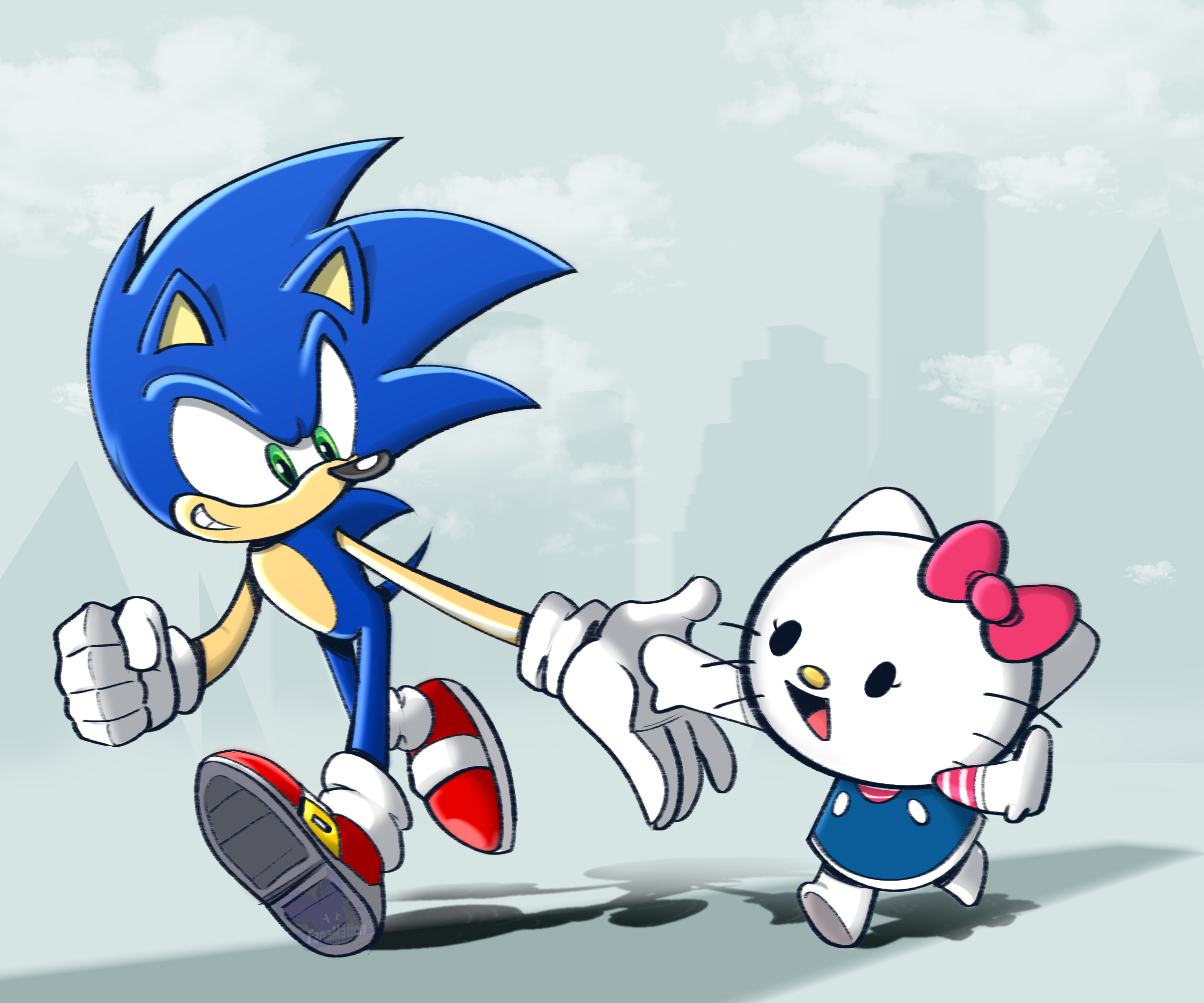
Hello Kitty and Sonic represent two iconic figures in modern pop culture, each bringing a unique charm that has captivated audiences across generations. On one hand, Hello Kitty offers a gentle, design-driven aesthetic rooted in Japanese kawaii culture, while on the other, Sonic delivers high-speed, adventurous storytelling rooted in gaming and animation. Together, they symbolize a blend of innocence and energy that appeals to both children and adults, making them staples in discussions about beloved fictional characters. This article explores their origins, cultural impact, design philosophies, and the ways they continue to resonate in today’s entertainment landscape.
The Origins and Evolution of Hello Kitty and Sonic
The story of Hello Kitty began in 1974 when Sanrio introduced this simple, mouthless white cat with a red bow. Designed by Yuko Shimizu and later refined by Yoshiko Takahashi, Hello Kitty was initially printed on a vinyl purse, quickly becoming a symbol of Japanese kawaii (cute) culture. Unlike many characters, Hello Kitty does not speak, allowing her to transcend language barriers and invite personal interpretation. Over decades, she evolved from a small accessory icon into a global phenomenon, featured on stationery, fashion, and even themed cafes. Her enduring appeal lies in her minimalist design and emotional flexibility, which fans project onto her as friendship, comfort, or nostalgia.
Sonic the Hedgehog, by contrast, burst onto the scene in 1991 with Sega’s groundbreaking video game designed to rival Nintendo’s Mario. Created by Yuji Naka and artist Naoto Ohshima, Sonic was engineered to embody speed, attitude, and rebellion, complete with his signature blue spikes and laid-back personality. His early games revolutionized platforming with fast-paced level design and innovative physics, establishing him as a mascot for a new era of gaming. While Hello Kitty emerged from a culture of tactile, collectible merchandise, Sonic was born from interactive technology, making him a pioneer of digital entertainment.
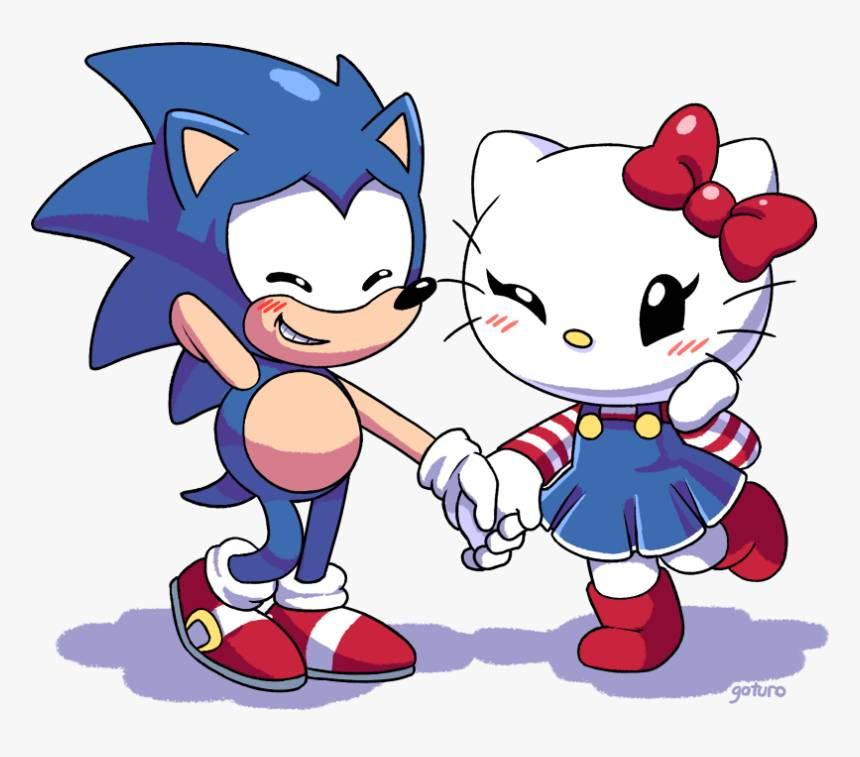
Over the years, both characters have expanded beyond their original mediums into television shows, movies, comics, and extensive merchandise lines. Hello Kitty has collaborated with luxury brands, appeared in animated series like “Hello Kitty and Friends,” and even inspired academic discussions on consumer culture. Sonic transitioned from games to animated series in the 1990s and later to critically reviewed live-action and CGI films in the 2020s, showcasing his adaptability. Despite their different paths, both have maintained relevance by embracing new platforms, from mobile games to social media trends, proving that iconic status requires constant evolution.
Design Philosophies: Cuteness vs. Cool
Hello Kitty’s design is a masterclass in simplicity and emotional resonance. With no mouth, she becomes a canvas for the viewer’s feelings, embodying empathy, calm, and approachability. Her round shape, oversized head, and petite body adhere to kawaii principles that emphasize vulnerability and innocence. Sanrio’s meticulous attention to detail—from her bow to her wardrobe—turns everyday objects into charming collectibles. This design philosophy encourages slow engagement, inviting fans to project their inner world onto a character who remains softly expressive without overt emotion.
Sonic’s design, by contrast, communicates speed, attitude, and rebellion through bold lines and dynamic proportions. His cobalt fur, quickslick hairstyle, and confident smirk were crafted to evoke a rock-and-roll ethos, aligning with the fast-paced action of his games. The contrast between his blue spikes and red shoes creates visual rhythm, while his anthropomorphic traits—like standing on two legs and wearing gloves—make him relatable yet distinctly non-human. Unlike Hello Kitty’s soft edges, Sonic’s angular design and energetic poses are engineered to trigger adrenaline, reflecting a philosophy where aesthetics serve gameplay and narrative thrill.

Together, these design approaches highlight a fascinating cultural duality: Hello Kitty represents comfort through softness and subtlety, while Sonic embodies excitement through boldness and motion. This contrast extends to their fan communities, where collectors cherish Hello Kitty’s tactile merchandise and gamers celebrate Sonic’s interactive legacy. Both characters, however, share a commitment to adaptability, evolving their appearances across collaborations, anniversary editions, and modern reinterpretations. Their enduring visual appeal demonstrates how thoughtful design can anchor a character in cultural memory for decades.
Cultural Impact and Global Recognition
Hello Kitty’s influence extends far beyond toys, embedding itself into fashion, art, and lifestyle branding. In Japan, she is a ubiquitous symbol of kawaii culture, appearing in everything from subway announcements to high-end fashion runways. Internationally, Hello Kitty has become a shorthand for playful nostalgia, with collaborations spanning tech brands, airlines, and even museum exhibits. Her lack of a defined backstory allows universal interpretation, making her a flexible icon for positivity and emotional support. This cultural permeation has turned her into a multi-billion-dollar franchise, illustrating how a simple character can become a global economic force.
Sonic’s cultural footprint is equally profound, particularly within gaming history. He helped define the 16-bit era, challenging Nintendo’s dominance and establishing Sega as a household name. His influence extends to music, with tracks like “Escape from the City” and “His World” becoming iconic, and his persona inspiring discussions about speed, freedom, and anti-establishment spirit. The character’s revival in recent years—through well-received games and a surprisingly nuanced film—demonstrates his lasting relevance. Sonic represents the golden age of platformers while continually adapting to contemporary tastes, bridging generational gaps among fans.
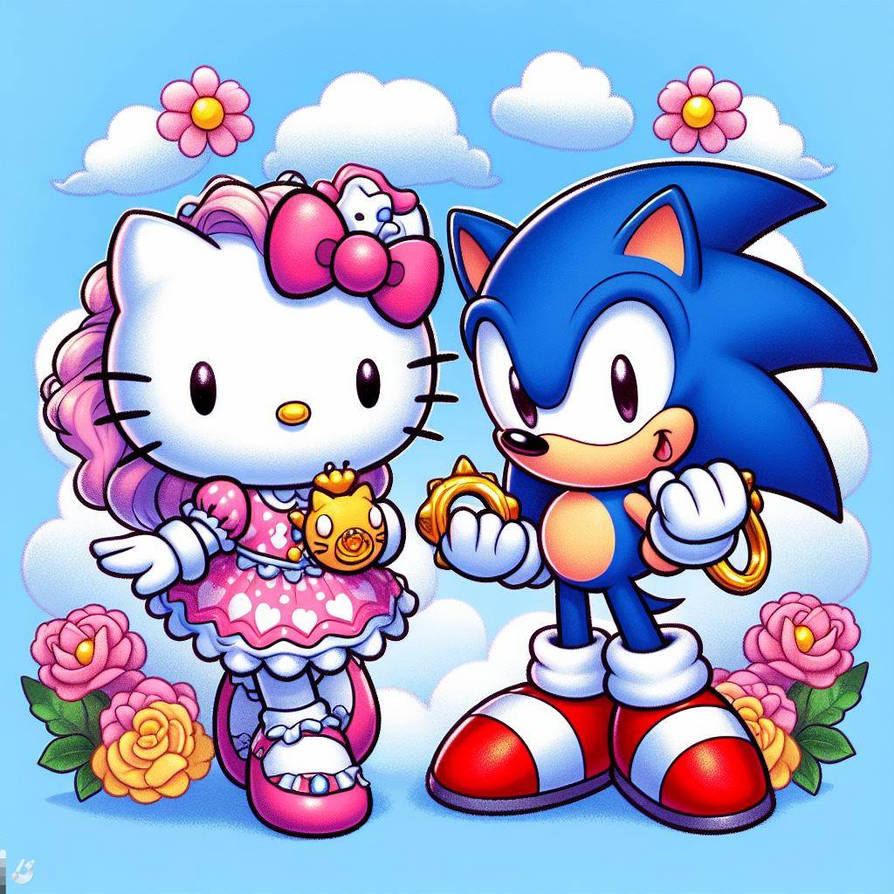
Both characters have also sparked academic and critical discourse, with scholars examining their roles in globalization, consumerism, and identity. Hello Kitty is often analyzed through feminist and cultural lenses, exploring how her ambiguous identity challenges traditional gender roles. Sonic, meanwhile, has been studied for his representation of kinetic energy and rebellion in digital narratives. Their combined global reach—from themed cafes in Bangkok to speedrunning communities in Europe—shows how pop culture icons can unite diverse audiences through shared affection and participatory engagement.
Community and Fandom: Shared Spaces and Cross-Over Appeal
Fans of Hello Kitty and Sonic often overlap in unexpected ways, united by a love for vibrant, nostalgic aesthetics. Online communities celebrate crossover fan art, where Hello Kitty might be depicted racing in Sonic’s world, blending kawaii charm with dynamic motion. These creative projects highlight the adaptability of both characters, proving that their core identities can merge without losing recognizability. Conventions and fan gatherings frequently feature both icons, reflecting their complementary roles in pop culture—one soothing, the other exhilarating.
Merchandise collaborations further bridge their audiences, with items like plush toys, apparel, and accessories appealing to collectors and gamers alike. Limited-edition releases, such as Hello Kitty-themed controller skins or Sonic-inspired stationery, tap into the emotional nostalgia of fans who grew up with both franchises. Social media amplifies this synergy, with hashtags like #HelloKitoSonic generating playful mashups that celebrate their differences while reinforcing their shared iconic status. This cross-pollination keeps both characters relevant in an era where fandoms increasingly blend across traditional boundaries.

Ultimately, the communities surrounding Hello Kitty and Sonic thrive on inclusivity and creativity. Whether through quiet admiration for Hello Kitty’s serene presence or energetic engagement with Sonic’s adventures, fans find connection in their shared appreciation for imaginative storytelling. These communities also evolve, welcoming new generations who discover the characters through streaming, memes, and reimagined content. The enduring friendship between fans reflects how pop culture icons can foster belonging across age, language, and geography.
Legacy and Future Trajectories
Hello Kitty and Sonic have secured their places as timeless symbols of their respective eras, yet their legacies continue to evolve. Hello Kitty’s emphasis on emotional simplicity offers a counterbalance to an increasingly complex digital world, providing comfort through familiar imagery. Meanwhile, Sonic’s legacy as a speed-driven icon pushes boundaries with modern game mechanics, cinematic storytelling, and experimental media. Both characters demonstrate how adaptability—through redesigns, new narratives, and technological integration—ensures longevity in pop culture.
Looking ahead, potential collaborations between Sanrio and Sega could unlock fresh narratives, perhaps exploring themes of friendship and adventure through cross-universe stories. Advances in virtual reality and augmented reality might also transform how fans interact with these icons, from immersive Hello Kitty gardens to Sonic-themed obstacle courses. As societal values shift toward inclusivity and emotional awareness, both characters are poised to reinterpret their roles—Hello Kitty as a symbol of mindful connection, Sonic as an advocate for resilience and joy.

In conclusion, Hello Kitty and Sonic embody contrasting yet complementary forces in global pop culture, each offering distinct emotional rewards while adapting to changing times. Their journeys from niche icons to universal symbols highlight the power of thoughtful design and storytelling. As they continue to inspire creativity and community, their shared legacy reminds us that enduring appeal lies in the ability to evolve while staying true to the core essence that first captured our hearts.
SONIC Y HELLO KITTY
Mis Redes Sociales— ▻ TWITCH: https://goo.gl/pouKog ▻ Canal Secundario: ...
