História Em Quadrinhos Para Copiar

Exploring História Em Quadrinhos Para Copiar can be a fun and educational way to dive into visual storytelling while sharpening your drawing and narrative skills. Whether you are a beginner picking up a pencil for the first time or an enthusiast refining your style, copying comic pages thoughtfully helps you understand how artists structure scenes, express emotion, and pace action. The goal is not to pass off someone else’s work as your own, but to study the craft behind each panel and translate those lessons into your unique voice.
Why Copy Comics Is a Valuable Learning Tool
Copying comic art trains your eye for composition, anatomy, and perspective in a very hands-on way. By carefully recreating a história em quadrinhos para copiar, you pay attention to line weight, shading, and the placement of characters within the frame, which reinforces good habits that are hard to develop from theory alone. Over time, these observations become instinctive, improving the clarity and impact of your own drawings.
Many artists use a história em quadrinhos para copiar as a practical exercise in storytelling rhythm. Comics rely on the flow from one panel to the next to guide the reader’s eye and build tension or humor. As you trace or reinterpret a sequence, you start to feel how panel size, shape, and arrangement affect pacing, helping you design more dynamic and coherent pages in your future work.
Finding Quality Sources for Copy Work
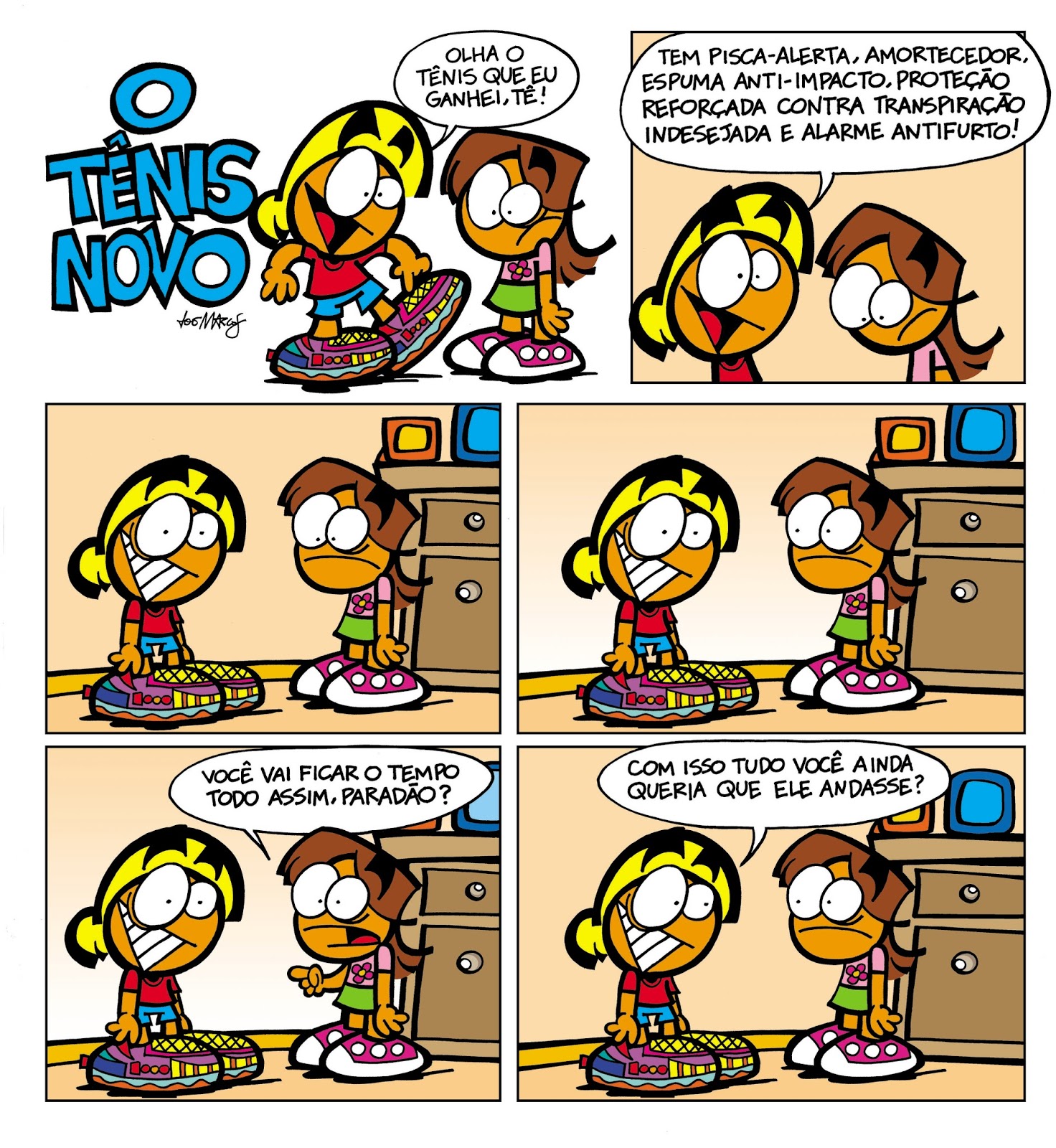
When you search for a história em quadrinhos para copiar, look for clear, high-resolution artwork that showcases strong linework and readable expressions. Classic newspaper strips, webcomics with consistent art, and well-printed graphic novels often provide excellent references because their lines are clean and the pacing is easy to follow. Avoid overly complex pages at first; simpler layouts let you focus on fundamentals without getting overwhelmed by detail.
Consider exploring different genres to broaden your skills, from lighthearted adventures to intense dramas, as each style teaches something new about expression and atmosphere. A thoughtful história em quadrinhos para copiar can introduce you to varied techniques, such as dynamic angles, creative panel transitions, and expressive character acting, giving you a versatile toolkit for your own stories.
How to Approach a Comic Copy Exercise
Begin your história em quadrinhos para copiar by lightly sketching the panel layout and establishing the main shapes, then refine the characters and details gradually. Focus on understanding the flow of action and the relationship between foreground and background elements, rather than chasing every tiny line. This mindful process helps you capture the energy and intent of the original while building your control over form and space.
Use tools like tracing paper or digital layers set to lower opacity to guide your practice, and always credit the original creator when you share your studies. Remember that copying is a training step, not the final goal; after you finish a história em quadrinhos para copiar, challenge yourself to draw a new scene using the same techniques, replacing the reference with your own ideas and personal twist.
Developing Your Own Style Through Study
A dedicated história em quadrinhos para copiar session is most effective when you analyze what makes each choice work, such as how a particular angle adds drama or how a limited color palette focuses attention. Take notes on these observations and experiment by applying similar principles to original characters and situations, gradually blending borrowed insights with your natural line of sight and storytelling instincts.
Over time, mixing copied studies with original sketches allows you to build a distinct visual language that feels authentic yet informed by the masters you admire. Treat every copied page as a stepping stone, and you will transform structured practice into confident, creative expression that stands on its own.

Ethics and Respect in Copying Comic Art
It is important to distinguish between learning-focused study and presenting someone else’s work as your own creation. A responsible história em quadrinhos para copiar is always used as a personal exercise, and artists often share their practice pieces with clear references and gratitude to the original creators. This approach respects intellectual property while still encouraging growth and experimentation.
By keeping your copied studies private or labeled as learning material, you maintain integrity and avoid confusion about authorship. When you eventually publish your own comics, the skills you honed through dedicated practice will shine through, giving your work depth, clarity, and originality that audiences can feel and appreciate.
Turning Practice Into Original Storytelling
Once you are comfortable with a história em quadrinhos para copiar, start adapting the techniques you learned into new narratives. Change the setting, redesign the characters slightly, or shift the emotional tone to see how these adjustments affect the mood and readability of your pages. This playful experimentation bridges the gap between imitation and invention.

Challenge yourself to create short sequences that echo the structure of your references but feature fresh dialogue, original gags, or unique twists on familiar scenarios. As you build this habit, your confidence grows, and you will find it easier to conceive entire stories that carry your signature style while honoring the foundations you studied through careful copying.
In the end, História Em Quadrinhos Para Copiar is a powerful method for dedicated artists who want to move beyond basic theory and engage directly with the mechanics of compelling visual stories. When approached with respect, curiosity, and a commitment to originality, copying comic pages becomes a transformative practice that fuels skill development, artistic confidence, and a lifelong love of visual storytelling.
Gênero textual História em Quadrinhos HQ
Link para adquirir os arquivos de interpretação sobre "Histórias em Quadrinhos": https://go.hotmart.com/K90392240T O arquivo ...
