Kung Fu Estilo Tigre
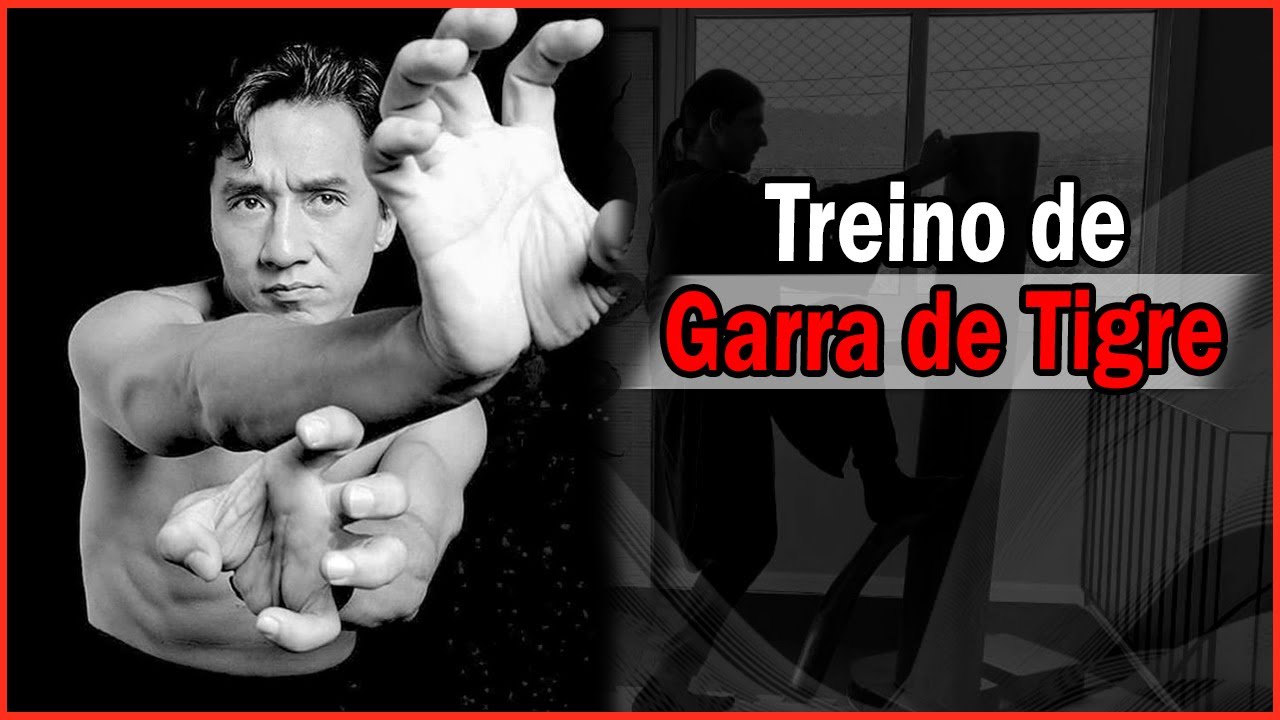
Kung Fu Estilo Tigre represents a fascinating branch of Chinese martial arts that emphasizes the ferocity, agility, and precision of the tiger.
The Historical Origins and Philosophy of Kung Fu Estilo Tigre
To understand Kung Fu Estilo Tigre, it is essential to look at its deep roots within the vast family of Chinese Kung Fu styles. This particular form is often associated with the Shaolin temples, where monks observed the natural world to develop fighting techniques. The tiger, as a top predator, provided a perfect model for raw power and fearless aggression. Unlike more internal styles that focus on qi flow, this style is more external, prioritizing bone-hard conditioning and explosive strikes.
The philosophy behind this discipline is rooted in the concept of "fearlessness." The practitioner is encouraged to embody the tiger's spirit, becoming unpredictable and dominant in confrontation. This is not about brute force alone, but about the intelligent application of overwhelming pressure. The movements are designed to close the distance quickly, breaking the opponent's guard with a flurry of attacks that leave little room for counter-action.
Key Characteristics and Techniques of the Style
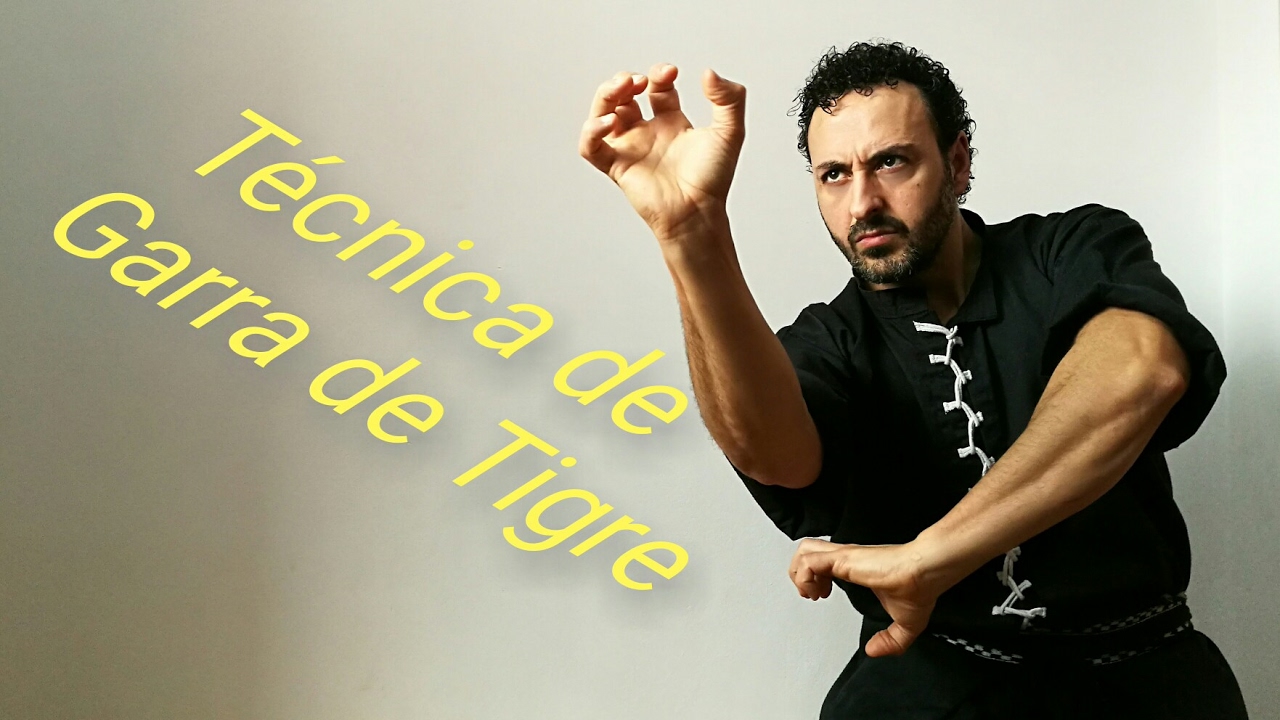
Kung Fu Estilo Tigre is visually striking due to its low, stable stances and dynamic hand movements. The posture is often crouched, preparing the body to spring forward or sideways at any moment. This grounded positioning provides stability for the powerful punches and elbow strikes that define the style. The hands themselves mimic the shape of a tiger's paw, with fingers curled and ready to rake or claw.
Here are some of the defining technical elements you will find in this style:
- Leaping and Tumbling: The style incorporates significant aerial movement, allowing the fighter to change levels rapidly and attack from unexpected angles.
- Clawing and Raking: Instead of closed fists, the use of open-handed strikes to the face and eyes is common, simulating the tearing action of a predator.
- Head Butts and Elbows: Close-quarters combat is emphasized, with the practitioner using their entire body as a weapon, including powerful shoulder checks.
The Training Regimen and Physical Conditioning
Training in Kung Fu Estilo Tigre is notoriously demanding, both physically and mentally. Because the style mimics the tiger's ferocity, practitioners must develop a high tolerance for pain and a strong cardiovascular system. The training often involves repetitive striking on heavy bags and wooden posts to condition the hands and forearms. This conditioning is crucial, as the goal is to deliver strikes that can break bones without injuring the practitioner's own limbs.
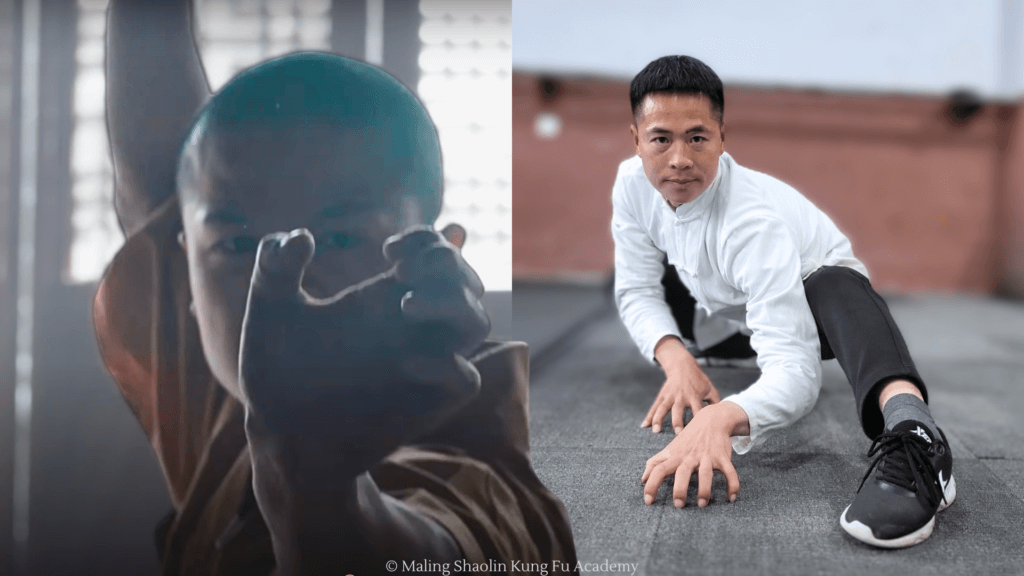
Flexibility is another cornerstone of preparation. Stretching routines are extensive, focusing on the legs, hips, and back to achieve the deep stances and high kicks required. Drills that improve balance and coordination are constant, ensuring that the fighter remains stable while executing complex tumbling sequences. This rigorous conditioning ensures that the body can handle the intense physicality required to fight effectively in this aggressive style.
The Strategic Approach to Combat
In a fight, Kung Fu Estilo Tigre is all about controlling the engagement through aggression. The strategy is to overwhelm the opponent with constant pressure, refusing to give them any time to breathe or plan a counter. The fighter acts as a storm, moving in fast with a combination of strikes designed to disable the limbs and disrupt the balance.
This style excels in close-range combat, where the tiger's claw can be most effective. The practitioner will often trap the opponent's arms to nullify their reach, creating an opening for devastating elbow strikes or throws. Because the movements are unpredictable, relying on sudden changes in direction, it is difficult to defend against without specific training. The psychological aspect is also vital; the intimidating visage and relentless assault can break an opponent's will before the first serious blow is landed.

Modern Relevance and Cultural Impact
While rooted in ancient tradition, Kung Fu Estilo Tigre has maintained its relevance in the modern era. You see its influence clearly in contemporary combat sports and action cinema, where the imagery of the tiger inspires fighters and choreographers alike. The style's emphasis on realism and practicality ensures that it remains a viable method of self-defense, not just a performance art.
Today, dedicated practitioners around the world keep the lineage alive, balancing respect for tradition with modern training science. They honor the tiger's legacy by continuing to develop the speed, power, and cunning that define this unique expression of Kung Fu. The style serves as a reminder of the enduring connection between martial arts and the animal kingdom, drawing timeless lessons from the power of the wild.
Conclusion
Kung Fu Estilo Tigre is more than just a fighting method; it is a philosophy of power derived from nature itself. By studying and embodying the tiger, the practitioner gains not only formidable physical skills but also a fierce confidence and strategic intelligence. Its blend of explosive power, technical precision, and psychological dominance ensures that this style remains one of the most captivating and effective disciplines within the world of martial arts.

Ataques do Estilo Tigre do Kung Fu | Combate e Treinamento
Tecnicas de ataque do estilo tigre, as técnicas de luta são divididas em ataques defesas contra ataques intercetações ...
