Kuromi And Hello Kitty
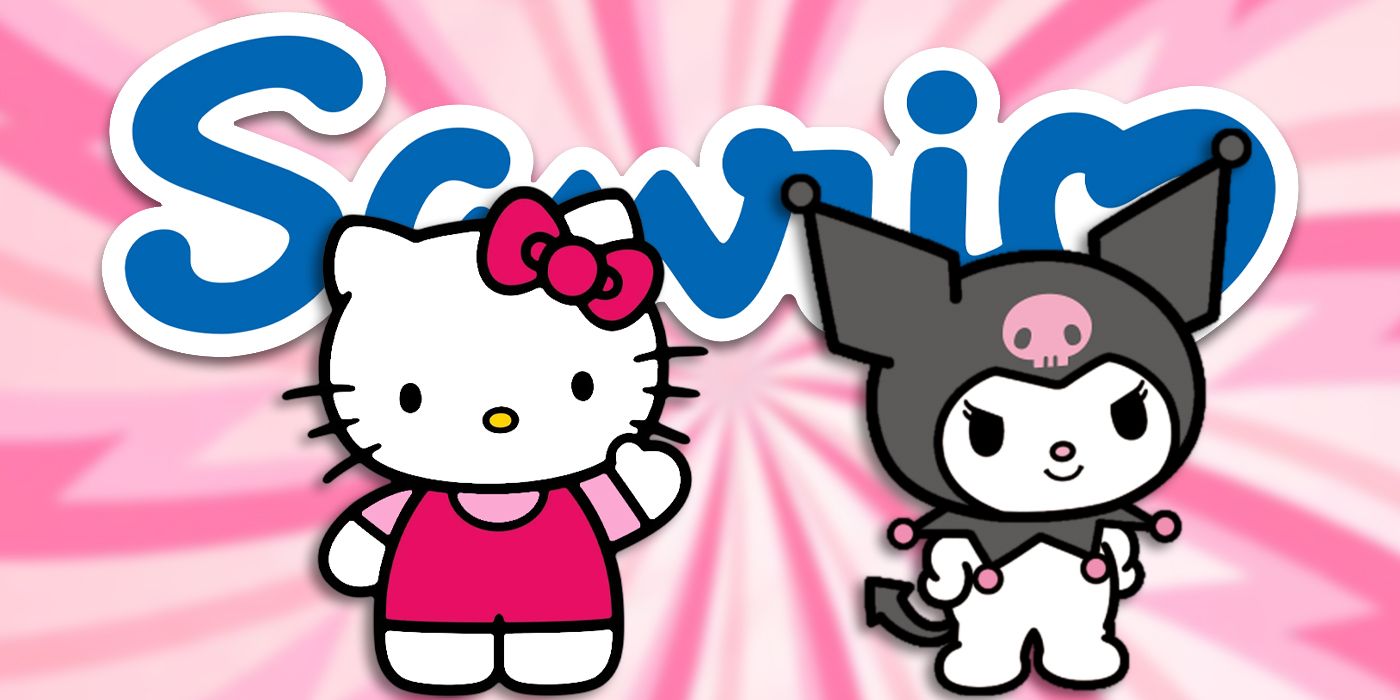
The Origins and Backstories of Kuromi and Hello Kitty
Hello Kitty first emerged in 1974 as a simple, charming character designed to appeal to young girls, yet her timeless design quickly captured the hearts of people across age groups and cultures. She originated in Japan and was created by Yuko Shimizu, with the official story positioning her as a little girl cat living in London with her family, which adds a subtle narrative layer that fans enjoy exploring through diaries and imagined adventures. Over the decades, Hello Kitty evolved from a small vinyl charm into a global phenomenon, appearing on everything from stationery to high fashion collaborations, always maintaining her core identity of kindness, curiosity, and gentle optimism.
Kuromi, by contrast, was introduced much later in 2005, deliberately designed to offer a darker, edgier alternative to the overwhelmingly sweet Sanrio characters. Her creation responded to a cultural moment where some fans desired characters with more attitude, mystery, and a touch of Gothic fantasy while still staying within the cute and collectible framework that Sanrio is known for. Unlike Hello Kitty, who is presented as a universally beloved figure, Kuromi carries an air of playful rebellion, often depicted as a troublemaker who lives in a haunted house and enjoys teasing authority, which gives her a distinct storytelling potential that resonates with those who appreciate a little darkness in their cute characters.
Design Differences Between Kuromi and Hello Kitty
The visual design of Hello Kitty is intentionally simple and soft, featuring a white face with minimal shading, rounded ears, and a tiny red bow that has become her signature accessory. This restrained palette and clean lines make her instantly recognizable and adaptable to countless artistic interpretations, from minimalist illustrations to elaborate festival costumes. Designers often emphasize her balanced proportions and gentle smile, which communicate friendliness and emotional safety, making her a symbol of comfort and innocent joy in a fast-moving world.

Kuromi, in contrast, embraces bold contrasts with her black and white color scheme, dramatic heart-shaped mask, and signature pink or blue bow that adds a touch of flamboyance to her otherwise gothic-inspired silhouette. Her pointed ears, mischievous expression, and occasional motifs like skulls or musical notes highlight her playful defiance of conventional cuteness, creating a visual language that speaks to those who enjoy fashion, punk influences, and darker fantasy themes. While both characters remain highly stylized and suitable for mass merchandise, Kuromi’s design elements deliberately cater to fans who appreciate a bit of edge and individuality within the cute aesthetic.
Personality Traits and Fan Interpretations
Fans often describe Hello Kitty as a gentle listener, a friend who offers calm support and encourages kindness in everyday interactions. Her personality is intentionally open-ended, allowing people to project their own experiences onto her, which helps explain her enduring popularity across different cultures and age groups. She represents an idealized form of empathy, curiosity, and politeness, making her a common choice for gifts aimed at teaching children about compassion and emotional expression in a reassuring way.
Kuromi, on the other hand, is frequently interpreted as a character who embraces mischief, sarcasm, and a carefree attitude that challenges traditional notions of politeness and conformity. Many fans appreciate her for expressing emotions that are sometimes considered taboo, such as frustration, rebellion, or playful naughtiness, which gives her a relatable dimension for those who feel misunderstood or constrained by expectations. Her imagined backstory as a resident of a haunted house who enjoys music and dramatic gestures allows fans to explore themes of individuality and self-acceptance, turning what might be seen as negative traits into sources of strength and creative inspiration.

Cultural Impact and Merchandising Strategies
Both Kuromi and Hello Kitty have significantly influenced global pop culture, but their merchandising approaches often highlight different market segments. Hello Kitty tends to appear in collaborations with mainstream brands, family-friendly entertainment, and educational products, reinforcing her image as a universally acceptable symbol of sweetness and reliability. Her presence in museums, theme parks, and cross-industry partnerships demonstrates how a character can maintain relevance by evolving alongside cultural trends while staying true to a comforting core identity.
Kuromi, meanwhile, has carved out a niche in alternative merchandise, appealing to fans of gothic fashion, punk aesthetics, and darker humor. Her image frequently appears on items that celebrate individuality, such as statement jewelry, edgy apparel, and collectible figures that emphasize her dramatic styling. This targeted approach has helped Sanrio attract a slightly older or more stylistically adventurous audience, proving that cute characters can also embody rebellion and artistic experimentation without losing their essential charm.
Why Fans Love Comparing Kuromi and Hello Kitty
Comparing Kuromi and Hello Kitty allows fans to explore the spectrum of cuteness and express different facets of their personalities. Some people feel a strong connection to Hello Kitty on days when they seek comfort and simplicity, while they embrace Kuromi when they want to celebrate their bold, unconventional side. This duality mirrors real-life experiences of balancing gentleness with assertiveness, conformity with individuality, making these characters feel like companions who understand the full range of human emotion.

The contrast between them also encourages creativity in fan art, storytelling, and personal style, as enthusiasts mix and integrate elements from both worlds to create unique expressions. Discussions about which character resonates more deeply often lead to richer conversations about identity, cultural influences, and the evolving definition of what it means to be cute in modern society. By celebrating both harmony and mischief, fans find a space where they can authentically represent their multifaceted selves.
The Future of Kuromi and Hello Kitty in Popular Culture
Looking ahead, both Kuromi and Hello Kitty are likely to continue evolving while retaining their core identities, adapting to new trends in technology, fashion, and social values. Digital platforms, virtual experiences, and interactive storytelling may offer fresh ways for fans to engage with these characters, blending nostalgia with contemporary creativity. As global audiences increasingly seek authenticity and diversity in the media they consume, Sanrio’s ability to balance timeless innocence with emerging subcultures will remain central to their lasting appeal.
Ultimately, the relationship between Kuromi and Hello Kitty enriches the Sanrio universe by providing complementary perspectives on happiness, self-expression, and connection. Fans can look forward to more imaginative collaborations, deeper narrative explorations, and continued celebrations of individuality, ensuring that these beloved icons remain vibrant symbols of joy and inspiration for years to come.
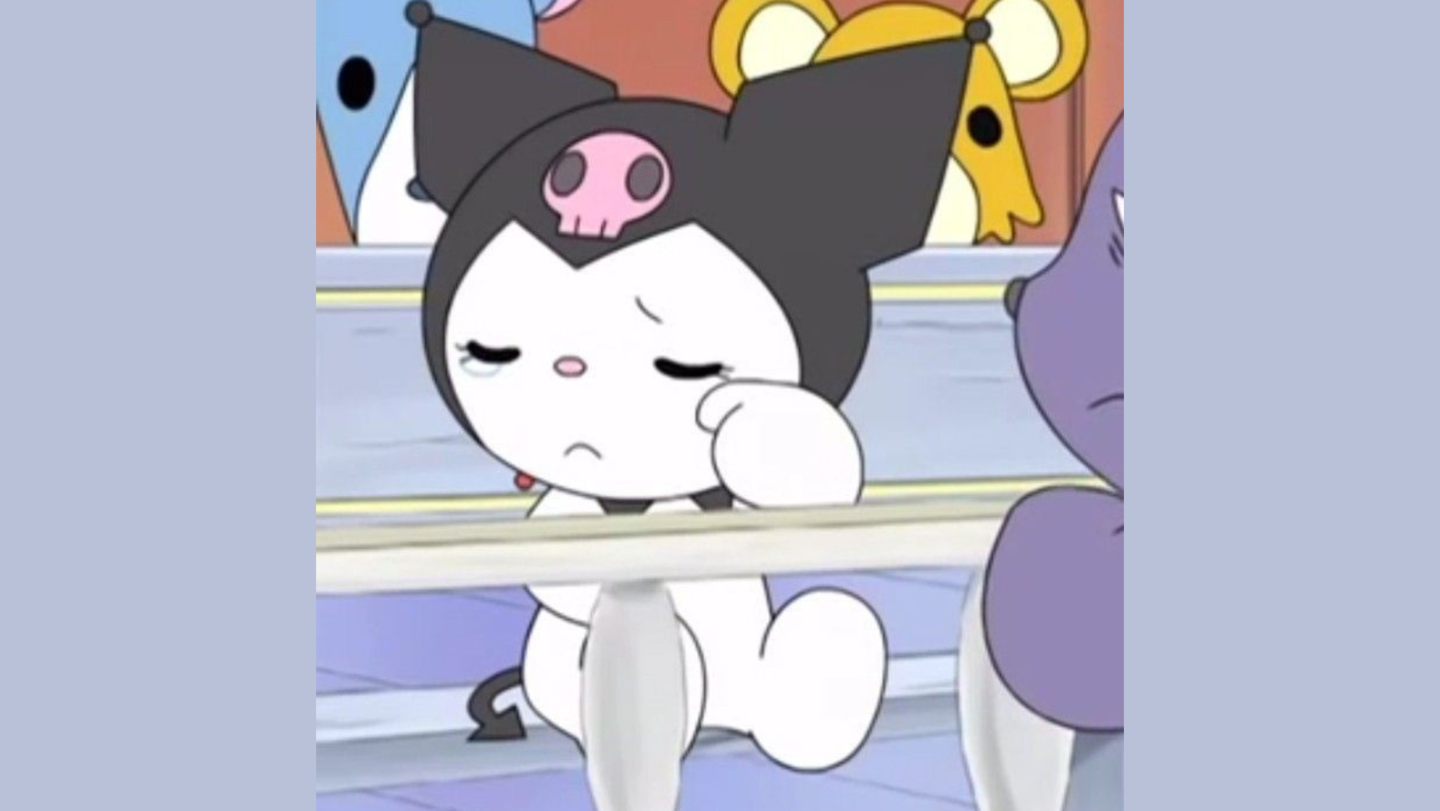
Hello Kitty and Friends - Supercute Adventures | Festa do Pijama - 2ª Temp. / EP 11
Inscreva-se no canal oficial da Hello Kitty: http://bit.ly/hellokittybrasil Kuromi convida My Melody e Hello Kitty para uma Festa do ...
