My Little Pony Fantasia

My Little Pony Fantasia blends the colorful world of Equestria with the imaginative spirit of classical music, creating a memorable experience for fans of all ages. This special project brings together beloved pony characters and timeless compositions in a way that feels both nostalgic and refreshingly new. From the opening notes to the final bow, the series invites viewers into a magical realm where music, friendship, and adventure intertwine seamlessly. Whether you are a longtime collector, a parent introducing the brand to a child, or simply curious about animated musical stories, My Little Pony Fantasia offers something delightful to discover.
The Concept Behind My Little Pony Fantasia
At its core, My Little Pony Fantasia reimagines the classic format of animated musical anthologies by placing pony characters center stage within iconic musical settings. Instead of separate segments, the creators chose to weave a continuous narrative that allows each pony to interact with the music in a personal and meaningful way. This approach highlights the emotional range of the characters, turning every note into an opportunity for growth and connection. The result is a project that feels both intimate in its focus on friendship and grand in its artistic ambition.
Producers drew inspiration from classic animated films that paired music with visual storytelling, adapting those ideas to fit the colorful, expressive style that fans associate with My Little Pony. By integrating familiar orchestral pieces with original compositions, the series manages to honor tradition while carving out its own unique identity. The concept also emphasizes accessibility, ensuring that the music enhances the story rather than overwhelming it. This careful balance makes My Little Pony Fantasia appealing to both longtime fans of the franchise and newcomers who are discovering its musical side for the first time.
Characters and Their Musical Journeys
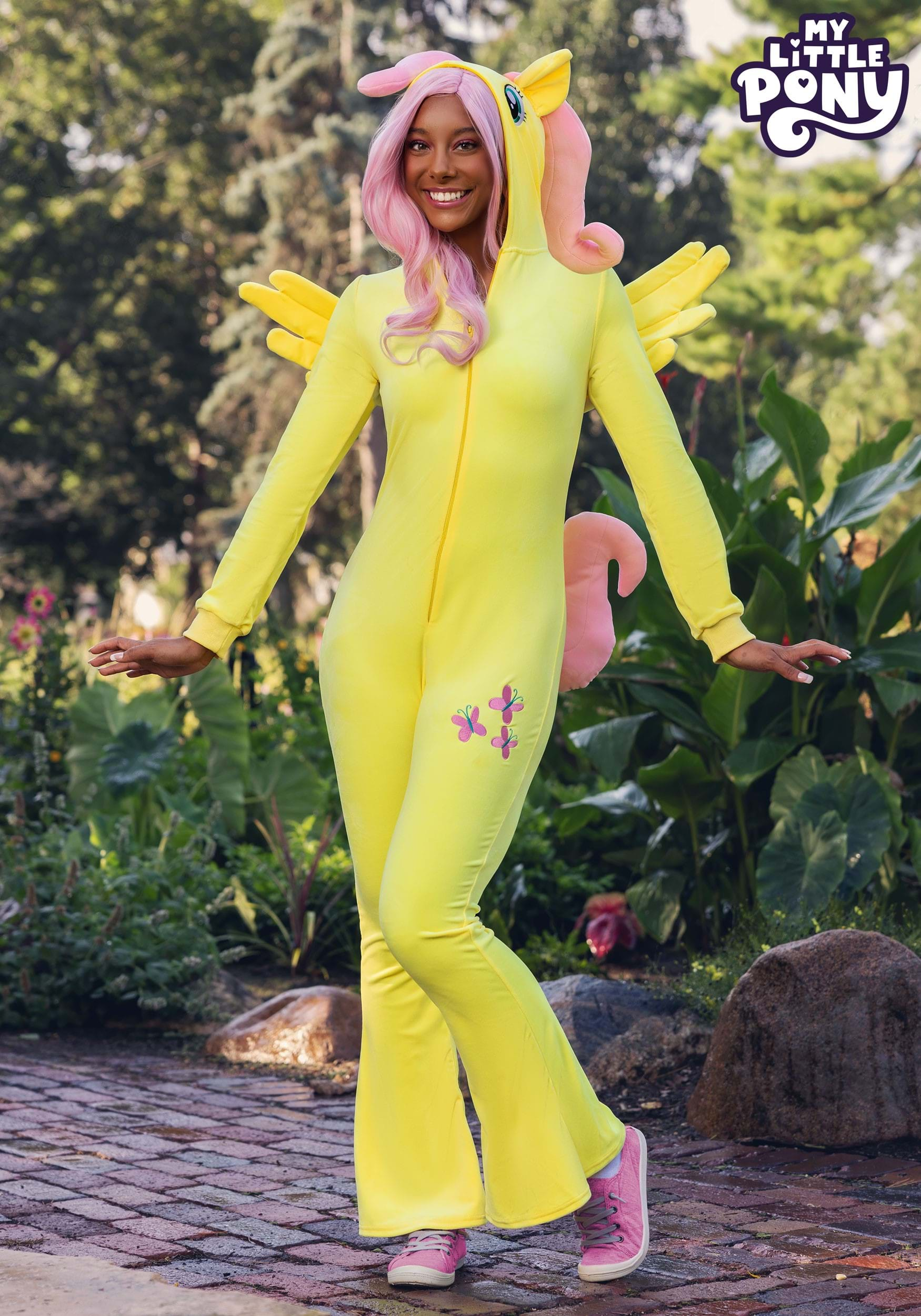
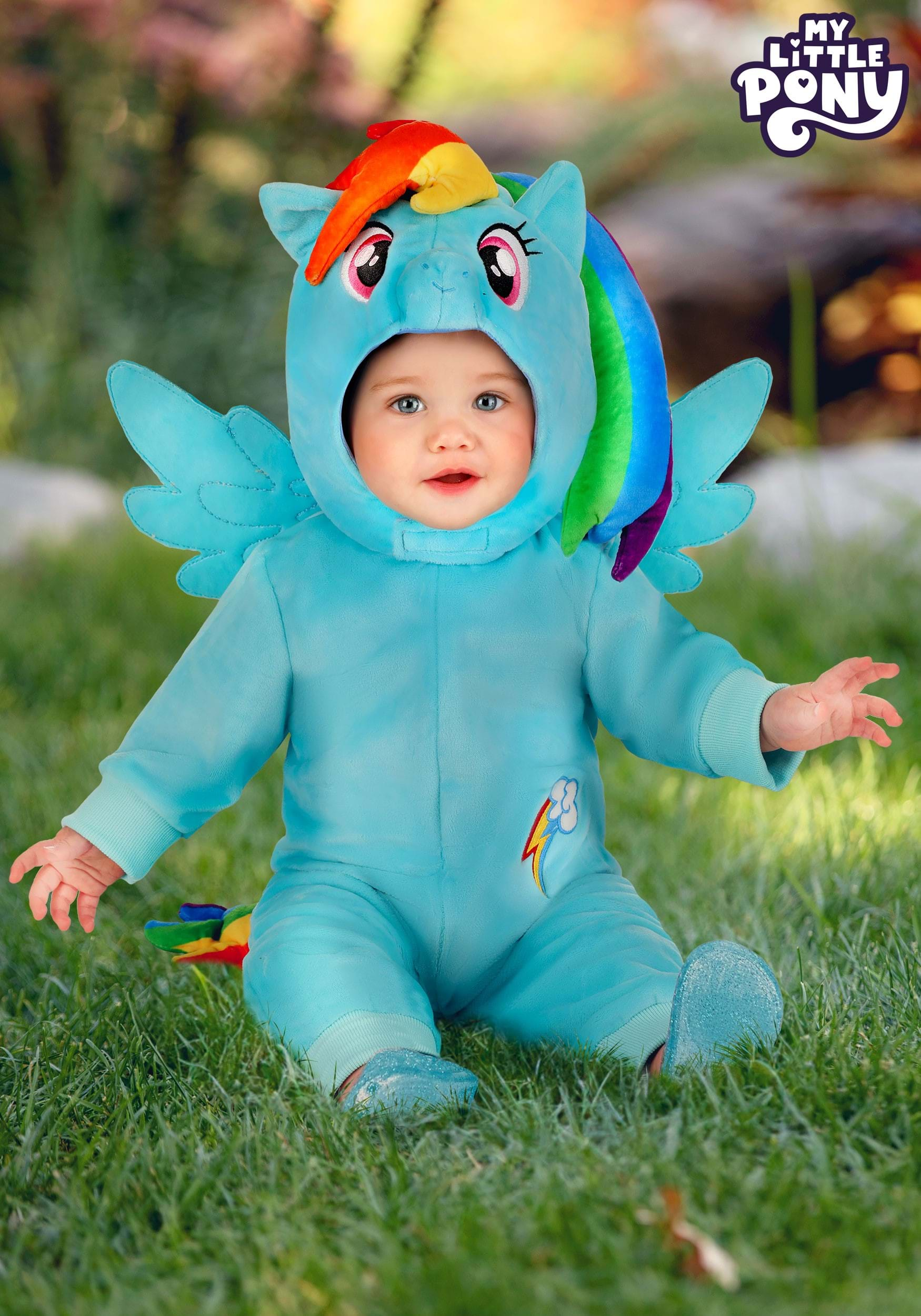
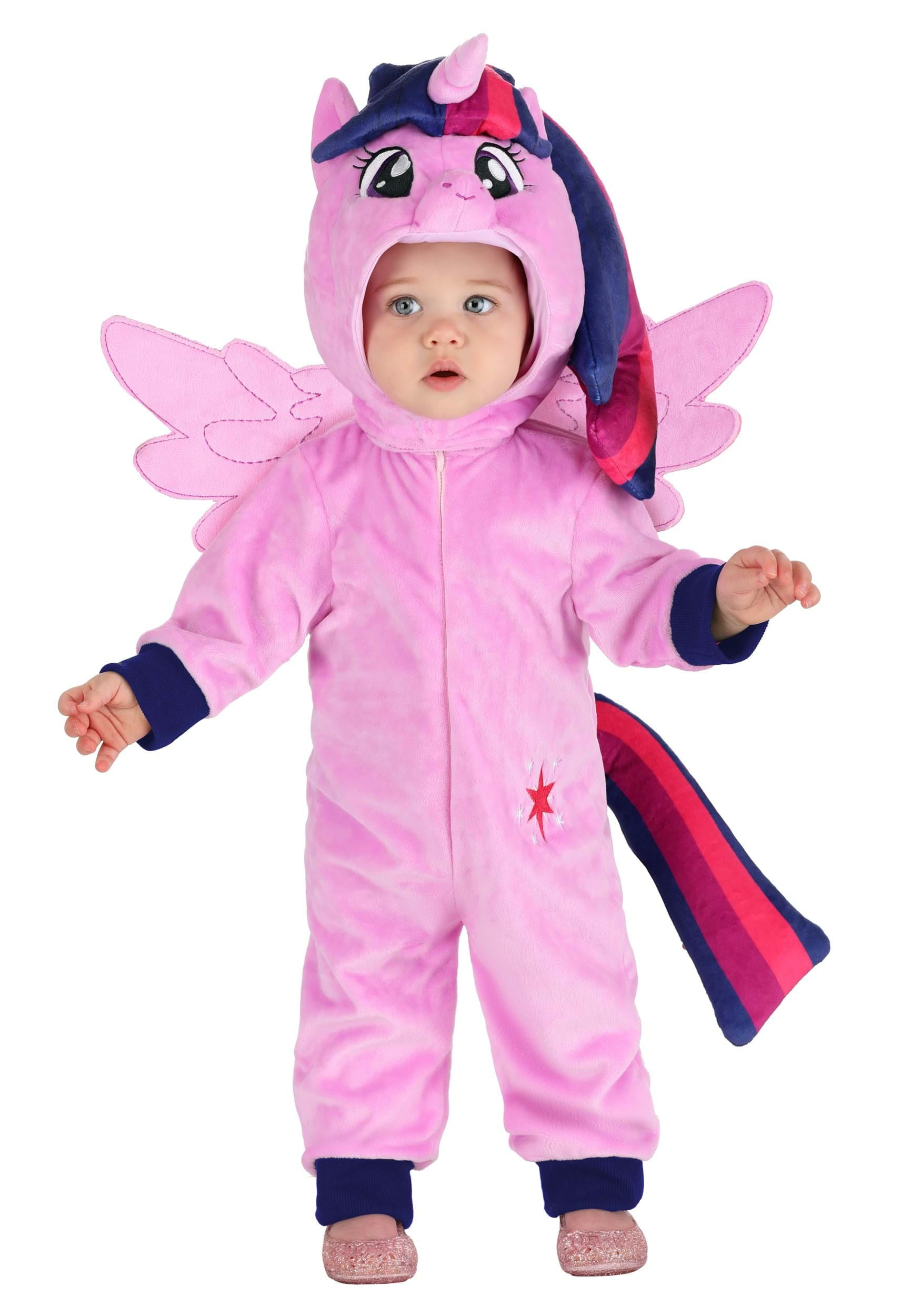
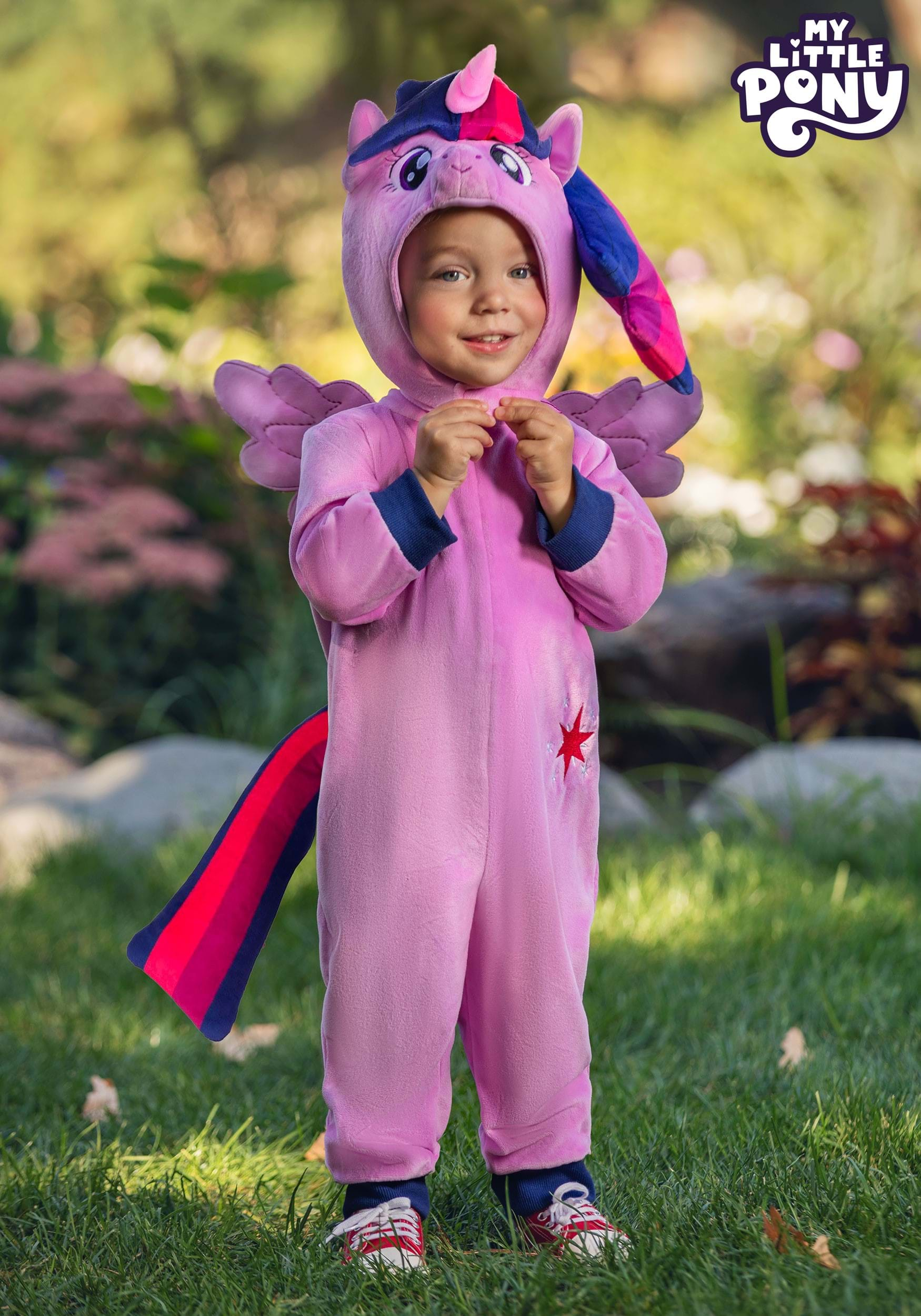
Each pony in My Little Pony Fantasia is given a moment to shine, with their personalities reflected in the way they respond to different musical styles. Twilight Sparkle approaches each piece with the curiosity of a scholar, discovering new layers of meaning in every phrase. Her journey highlights how music can deepen understanding and strengthen bonds between friends. Rainbow Dash brings boldness and energy, turning fast tempos and dynamic rhythms into expressions of courage and determination. Meanwhile, Fluttershy’s gentle nature is mirrored in softer, more lyrical passages, showing how even quiet voices have a powerful role in the ensemble.
Supporting characters add extra depth to the musical tapestry, with distinct themes that echo their quirks and growth. Applejack’s down-to-earth melodies convey reliability and warmth, while Pinkie Pie’s playful segments keep the tone light and joyful. The interactions between characters are often expressed through musical dialogue, where instruments and motifs represent their thoughts and feelings. These carefully crafted moments make the relationships in My Little Pony Fantasia feel authentic and emotionally resonant, even within a fantastical setting.
Musical Highlights and Creative Choices
One of the most striking aspects of My Little Pony Fantasia is its thoughtful selection of musical pieces, ranging from well-known classics to more obscure gems. The series introduces young listeners to composers and styles they might not encounter elsewhere, turning each episode into an informal music lesson. Visual motifs are used to represent different instruments, helping viewers connect sound with image in a memorable way. This creative choice not only supports comprehension but also encourages active listening and curiosity about how music works.
- Use of leitmotifs to signal character appearances and emotional shifts.
- Dynamic orchestration that mirrors the changing landscapes of Equestria.
- Integration of original songs that expand on the personalities of the ponies.
- Subtle humor embedded in musical timing and visual gags that delight younger audiences.
These elements work together to create a rich sensory experience, where every scene feels carefully considered. The creators avoid over-simplification, instead trusting that children and adults can appreciate nuanced musical storytelling. As a result, My Little Pony Fantasia stands out as a project that respects its audience’s intelligence while remaining playful and engaging.
Visual Style and Animation Techniques
The animation in My Little Pony Fantasia pushes the boundaries of the franchise’s usual style, incorporating more fluid movement and imaginative settings. Backgrounds are richly detailed, with sweeping vistas and intricate interiors that respond visually to the music. Color palettes shift in harmony with the mood of each piece, helping to guide viewers’ emotions without a single line of dialogue. This synergy between image and sound transforms ordinary scenes into something almost cinematic.
Special effects are used sparingly but effectively, emphasizing moments of musical climax or emotional revelation. Particles of light, rippling reflections, and abstract shapes dance across the screen, echoing the rhythm and texture of the compositions. These techniques not only enhance the sense of wonder but also reinforce key narrative beats. The overall visual language of My Little Pony Fantasia feels cohesive, imaginative, and deeply tied to its musical foundation.
Audience Reception and Cultural Impact
Since its release, My Little Pony Fantasia has been praised by fans for its ambition and emotional depth. Parents appreciate how the series introduces classical music in a format that feels accessible and entertaining rather than lecture-based. Children respond to the vibrant characters and magical visuals, often returning to favorite segments again and again. Online communities have shared covers, art, and theories about musical references, showing how the project has sparked creativity beyond the screen.
Educators and reviewers have noted the series’ potential as a teaching tool, using it to discuss themes such as teamwork, expression, and cultural history. Music schools and libraries have hosted viewings and listening sessions, integrating My Little Pony Fantasia into broader programs about the arts. The blend of familiar branding with sophisticated content has helped the project reach a wide range of ages and backgrounds. This positive reception highlights how well the series balances entertainment with meaningful artistic exploration.
Legacy and Future Possibilities
Looking ahead, My Little Pony Fantasia sets a high standard for how musical storytelling can evolve within a long-running franchise. It demonstrates that familiar characters can carry complex, artistic projects without losing their core charm. The success of the series opens doors for further collaborations with composers, educators, and visual artists who wish to explore new musical worlds. Future installments could dive into different cultural traditions, experimental techniques, or even interactive formats that invite audiences to create their own interpretations.
Ultimately, the legacy of My Little Pony Fantasia lies in its ability to make classical music feel alive, personal, and full of possibility. By pairing unforgettable characters with carefully chosen music, the series offers a unique viewing experience that resonates far beyond its runtime. For fans young and old, it serves as a reminder that imagination and melody can transform any story into something truly extraordinary. As the world of Equestria continues to grow, the musical magic of My Little Pony Fantasia will remain a shining highlight of its journey.
My Little Pony Kids Makeup Collection Alisa Pretend Play with Equestria Girl Doll & Draw Toys Colors
My Little Pony Kids Makeup Collection Alisa Pretend Play with Equestria Girl Doll & Draw Toys Colors - Thanks for watching my ...
