Paper Duck De Stitch
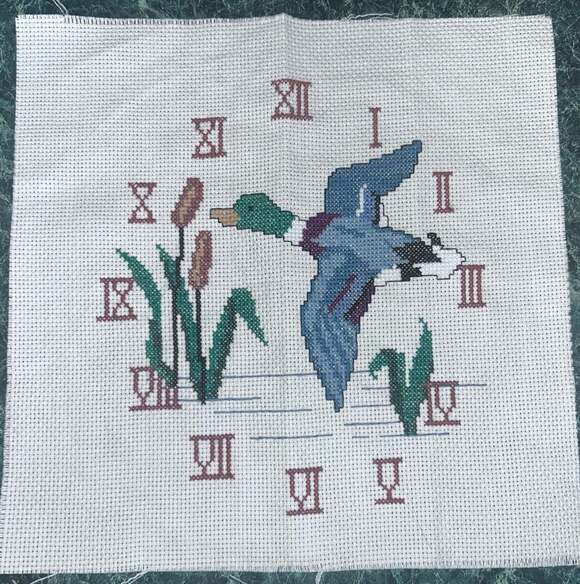
Paper Duck De Stitch represents a fascinating intersection of papercraft, digital customization, and cozy home décor that is quietly gaining momentum among hobbyists and interior designers alike. At first glance, the name suggests a playful fusion of natural textures and precise cutting techniques, where the softness of duck‑themed motifs meets the clean lines of stitched paper art. This emerging trend invites creators to explore subtle color palettes, layered silhouettes, and thoughtful symbolism, turning simple sheets of paper into charming focal points for shelves, walls, and gift wrapping. Whether you are drawn to the idea of a paper duck as a tranquil emblem of calm or you are intrigued by the deconstruction and restitching of familiar forms, Paper Duck De Stitch opens a doorway to slow, mindful making.
Origins and Inspirations Behind Paper Duck De Stitch
The roots of Paper Duck De Stitch can be traced to the broader worlds of paper sculpture, quilling, and Japanese origami, where artists have long celebrated the duck as a symbol of grace, partnership, and seasonal change. Early experiments in digital paper cutting, popularized by online crafting communities, encouraged creators to take familiar templates and slice them into unexpected segments, then reassemble them with new spacing and negative space. This process of deconstruction, or "de stitch," borrows from both embroidery terminology and digital editing, evoking the idea of carefully unpicking a seam to reveal a fresh perspective. The result is a style that feels both nostalgic and modern, honoring traditional paperfolding while embracing the freedom of vector editing tools.
Visual inspiration often comes from watercolors, vintage botanical prints, and minimalist illustration, where a duck is suggested through subtle curves rather than detailed realism. Artists working in the Paper Duck De Stitch realm may reference the gentle arc of a neck, the smooth contour of a back, or the playful symmetry of two ducks side by side, then translate these shapes into crisp folds and measured cuts. The "stitch" aspect does not always imply literal lines mimicking thread; it can refer to the deliberate placement of tabs, slots, and overlapping flaps that create a sense of connection. By studying how light interacts with layered paper, creators learn to mimic the soft sheen of feathers without relying on glossy finishes or heavy embellishments.
Core Techniques and Materials for Crafting Paper Duck De Stitch Projects
Getting started with Paper Duck De Stitch is approachable, as it relies on a modest toolkit and a willingness to experiment with simple cuts. At the heart of the process is the selection of paper, where weight and texture play distinct roles: heavier cardstock holds structure well for standalone sculptures, while midweight paper offers a balance between foldability and delicacy for more intricate deconstructed designs. Many crafters begin with digital templates that can be printed at home, then trace or cut by hand to develop a feel for how each line interacts with the grain of the paper. Precision in cutting is important, but slight imperfections often add charm, echoing the organic qualities of real duck plumage.
- Choose acid‑free cardstock or sustainably sourced paper for longevity and a soft matte finish.
- Use a sharp craft knife and metal ruler for clean, consistent cuts, especially when working with tight curves.
- Experiment with scoring tools to create crisp folds without tearing the surface.
- Consider watercolor or pastel washes to suggest feather tones before cutting, or keep the paper white for a gallery‑like aesthetic.
Advanced makers may move from printed templates to vector software, allowing them to adjust curves, spacing, and negative areas with precision. In a typical "de stitch" workflow, a designer might first trace a full duck outline, then introduce breaks along natural lines—such as the wing, neck, and tail—so that each segment can be separated and re‑stitched with micro‑gaps or layered overlaps. The joy lies in small adjustments: shifting a tab a few millimeters, changing the angle of a fold, or varying the width of a strip to alter how light passes through the finished piece.
Design Variations and Creative Interpretations
One of the most appealing aspects of Paper Duck De Stitch is how easily it adapts to different artistic intentions, from playful children’s room décor to sophisticated gallery installations. Some creators focus on symmetry, arranging two or more duck forms in gentle dialogue, their bodies interlocking through shared slots or staggered layers. Others lean into abstraction, reducing the duck to a few essential lines and negative spaces that invite the viewer to complete the shape. The "de stitch" approach can emphasize fragmentation, with each piece mounted separately on the wall to suggest a memory or a moment in a duck’s flight path.

- Whimsical series featuring duck families in graduated sizes, perfect for a nursery or story‑time corner.
- Monochrome, architectural arrangements that highlight the precision of cuts and folds.
- Mixed‑media accents, such as tiny fabric patches or translucent vellum, to imply water or sky behind the forms.
Color choices can range from muted earth tones inspired by real ducks to bold, unexpected palettes that transform the subject into a modern art statement. When multiple pieces are combined, the stitching metaphor becomes literal: thin strips of paper act like seams, guiding the eye across the composition in a deliberate rhythm. This flexibility makes Paper Duck De Stitch suitable for a variety of contexts, from greeting cards and gift tags to larger installations that soften the edges of a minimalist room.
Practical Applications and Everyday Uses
Beyond pure artistry, Paper Duck De Stitch projects can enhance everyday life in subtle, joyful ways. A set of small duck silhouettes can be arranged on a window, catching sunlight and casting delicate shadows that move throughout the day. Gift wrap and tags featuring de stitched paper ducks add a personal, handcrafted touch that stands out amidst mass‑produced patterns. Teachers and parents may incorporate these designs into lessons on geometry, symmetry, and fine motor skills, encouraging students to explore how simple cuts and folds create complex visual effects. The process itself can be a form of mindful practice, helping makers slow down and focus on each measured incision and careful crease.
For interior designers and thoughtful gift‑givers, Paper Duck De Stitch offers a way to introduce organic shapes without overwhelming a space. A single framed piece can become a quiet focal point above a console table, while a cluster of smaller works can create a cohesive gallery wall that feels curated rather than cluttered. Because the materials are lightweight and relatively low cost, it is easy to iterate, adapt, and refresh a room with new compositions as seasons change. The imagery of a duck—often associated with water, calm, and migration—can subtly evoke themes of journey, homecoming, and resilience, making these artworks meaningful beyond their visual appeal.

Community, Sharing, and the Future of Paper Duck De Stitch
As with many niche papercraft movements, the growth of Paper Duck De Stitch has been fueled by online communities where makers share templates, process videos, and finished projects. Platforms dedicated to paper art, illustration, and sustainable crafting have become gathering places for exchanging tips on cutting techniques, color harmonies, and innovative ways to incorporate "de stitch" principles into other themes. This collaborative spirit encourages newcomers to start with simple silhouettes and gradually develop their own visual language, confident that there is no single right way to approach paper duck design.
Looking ahead, the future of Paper Duck De Stitch may include more eco‑focused practices, such as using recycled papers, natural dyes, and zero‑waste template layouts that minimize scraps. Advances in digital cutting tools could make it easier for beginners to experiment with precise deconstructed forms, while still leaving room for hand‑crafted imperfections that give each piece its unique character. By balancing tradition and innovation, Paper Duck De Stitch continues to evolve as a versatile, heartfelt craft that invites people to slow down, pay attention to detail, and celebrate the quiet beauty of paper transformed.
Como Desenhar o Paper Duck de Stitch | Passo a Passo
Chegou a hora de aprender como desenhar o Paper Duck de Stitch passo a passo de um jeito super fácil, divertido e, claro, bem ...
