Paper Duck Pato De Papel

Paper Duck Pato De Papel is a charming and creative craft that turns simple sheets of paper into delightful, lifelike ducks, blending the calm art of origami with the playful possibilities of paper sculpture.
What Is Paper Duck Pato De Papel
At its core, Paper Duck Pato De Papel is a paper folding and shaping project that recreates the familiar form of a duck using patterned or plain paper, often inspired by Latin American paper craft traditions where "pato" simply means duck.
Unlike strict origami, this activity may include light cutting, gluing, and shaping to add character to the beak, wings, and tail, making it accessible to beginners and enjoyable for experienced crafters looking for a relaxing, screen-free hobby.
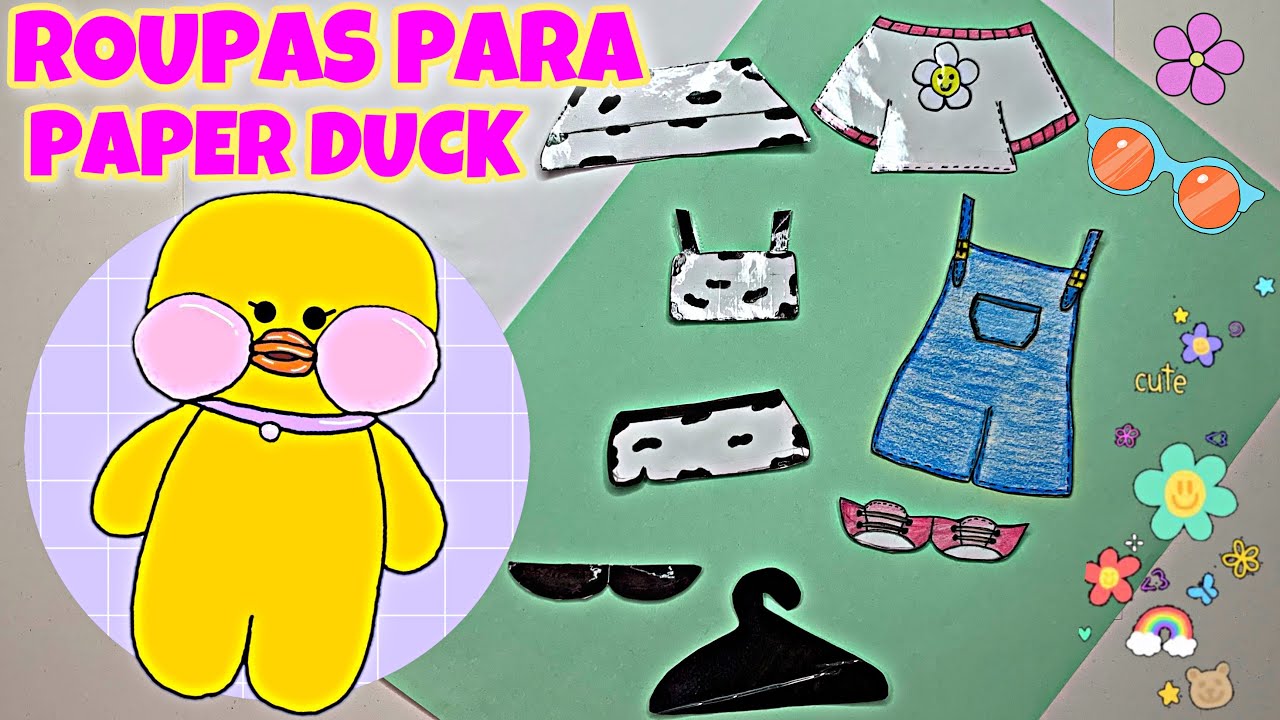
Because it requires only paper and basic tools, Paper Duck Pato De Papel is an affordable way to explore creativity, teach children about shapes and animals, or add a personal, handmade touch to classroom decorations and greeting cards.
Materials And Basic Tools Needed
Getting started with Paper Duck Pato De Papel is simple, and you probably already have many of the supplies at home, which helps keep the project low cost and easy to begin on a whim.
- Colored paper or craft paper, preferably in shades of orange, yellow, brown, and white to mimic a real duck
- Scissors for cutting curves and fine details, though safety scissors are recommended for younger makers
- Glue stick or a small bottle of craft glue to secure wings, tail, and beak in place
- A pencil or light marker for tracing shapes and folding guidelines
- Optional tools include a ruler for straight edges, a bone folder for crisp folds, and googly eyes or markers for personality
Choosing slightly heavier paper, such as cardstock or construction paper, can help your Paper Duck Pato De Papel hold its shape better, especially if you plan to display it standing up or attaching it to cards and gift tags.

Step By Step Folding And Shaping Guide
Creating a Paper Duck Pato De Papel usually begins with simple folds that form the body, head, and beak, followed by more detailed shaping to give the duck its friendly character.
Start by folding a rectangular sheet in half lengthwise to create a strong base, then make small valley and mountain folds to shape the neck and head, using light pencil marks to guide where the beak and eye placement will go.
To build the beak, cut a small triangle from orange or yellow paper, fold the base for better adhesion, and glue it to the front of the head, adjusting the angle until your Paper Duck Pato De Papel looks alert and cheerful, then attach wings cut from slightly curved strips for a natural look.
Design Variations And Creative Ideas
Once you master the basic structure of Paper Duck Pato De Papel, you can experiment with colors, sizes, and decorative details to reflect your personal style or match a specific theme.
- Use patterned scrapbook paper or old magazine pages to create a quirky, colorful duck that stands out on a shelf or bulletin board
- Try different sizes, from tiny paper ducks that fit on a keychain to large display pieces that can become part of a wall collage
- Combine your duck with other paper animals or simple shapes to tell a story scene, turning your project into a playful paper diorama
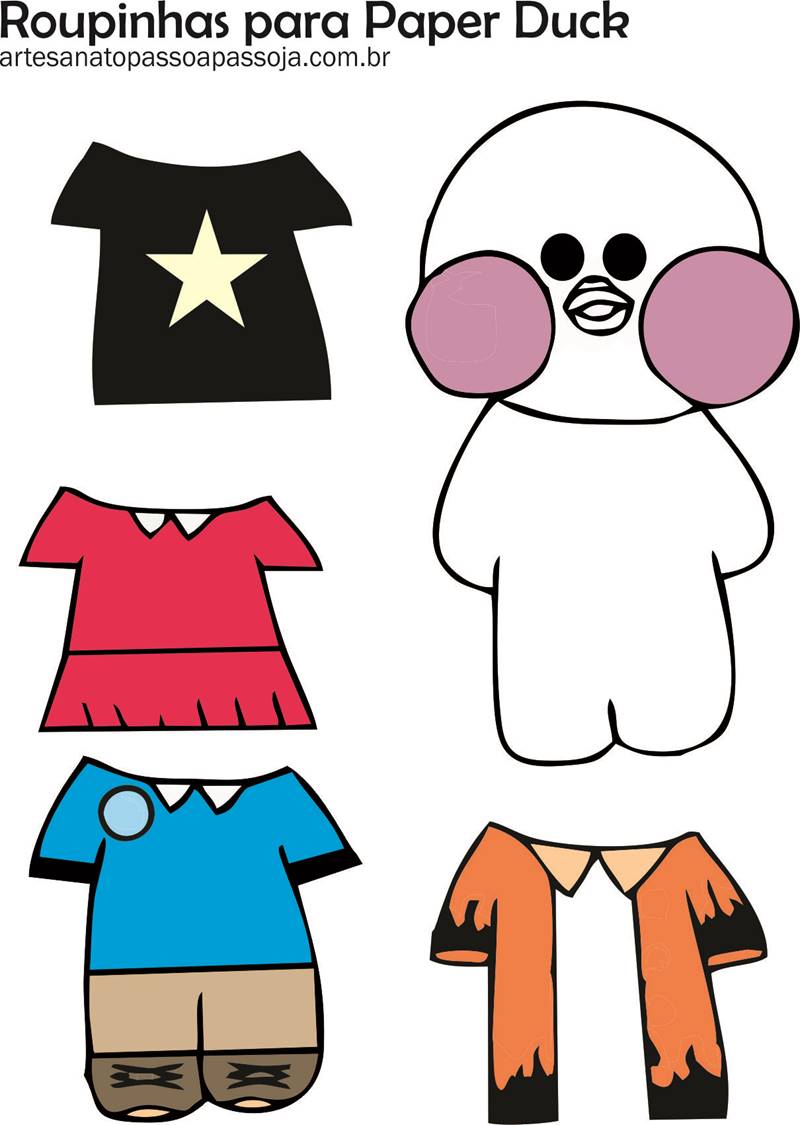
For a more structured approach, consider following a printable template that marks where to fold and cut, which can be especially helpful when making multiple ducks for classroom activities or party favors.
Educational And Therapeutic Benefits
Working on Paper Duck Pato De Papel offers more than just a cute result; it helps develop fine motor skills, hand eye coordination, and patience as you carefully fold, cut, and glue each component into place.

Teachers and parents often use this craft to introduce concepts like symmetry, shapes, and animal anatomy, encouraging children to observe real ducks while they create their own interpretations through paper.
The repetitive, mindful motions of folding and smoothing creases can also serve as a gentle form of stress relief, making Paper Duck Pato De Papel a calming activity to unwind after a long day or to enjoy as a slow, creative ritual.
Display, Sharing, And Preservation Tips
After completing your Paper Duck Pato De Papel, you will likely want to show it off, and there are several simple ways to keep it looking great without special frames or complex setups.

Place your finished duck on a sunny windowsill, a shelf in a playroom, or attach it to the front of a birthday card or thank you note so that friends and family can appreciate the personal effort you put into each piece.
To preserve your work over time, keep the finished Paper Duck Pato De Papel away from direct moisture and humidity, avoid pressing heavy objects on top of it, and consider using a light coat of clear glue or a fixative spray designed for paper if you want to strengthen it for long term display.
Conclusion And Next Steps
Paper Duck Pato De Papel is a versatile, enjoyable craft that invites you to experiment with color, shape, and texture while creating a charming paper animal that can brighten any space or gift.
Whether you are folding your first duck or refining your technique, each project helps you build confidence, explore your creativity, and share a handmade token of care with others, making every sheet of paper a chance to quack with personality.
COMO DESENHAR UM PAPER DUCK | Pato de papel famoso do TikTok
Neste vídeo eu vou te ensinar o passo a passo de Como Desenhar um Paper Duck!! #paperduck #duck #lalafanfan.
