Pato De Papel Paper Duck

Pato de papel is a delightful paper craft that turns a simple sheet into a charming and expressive paper duck, perfect for decoration, gifts, or creative projects.
What Is Pato De Papel and Why It Is Special
Pato de papel, which means paper duck in Portuguese, is a traditional paper folding model that brings a playful touch to your space. Unlike ordinary decorations, this paper duck captures the softness of feathers and the gentle curve of a beak using only paper and patience. It works beautifully in classrooms, at home, or during cultural festivals, especially when you want to highlight Brazilian or Latin American themes. Because it is lightweight and easy to replicate, it is also a thoughtful handmade gift that stands out without costing much.
The charm of pato de papel comes from the simplicity of the materials and the care in each fold. You do not need advanced origami skills; clear diagrams and a little practice are often enough to achieve a result that looks almost lifelike. Many people enjoy it as a calming activity, because focusing on the creases and shaping helps reduce stress. Teachers and parents also use it to introduce children to geometry, symmetry, and fine motor skills in a fun and tactile way.

Basic Materials and Tools You Will Need
To create a sturdy and visually pleasing paper duck, choose materials that hold shape well and show detail. A square sheet of paper, preferably medium weight such as kami or thin cardstock, folds neatly while still keeping its form. If you prefer a more vibrant look, colored paper or patterned scrapbooking paper can make the duck really pop on a shelf or wall.
- Square sheet of paper, around 15 by 15 centimeters for a small, sturdy duck
- Scissors or a craft knife for trimming excess paper and refining the beak
- Bone folder or a blunt tool to sharpen creases and give clean lines
- Glue or double sided tape for securing the tail and beak, if your design calls for it
- Optional decorative items such as markers for eyes or tiny wings cut from contrasting paper
When you gather these items beforehand, you avoid interruptions once you start folding. It is also a good idea to work on a clean, flat surface where you can keep the paper aligned. A well lit area helps you see the crease lines clearly and ensures that each fold in your pato de papel is precise and consistent.
Step by Step Folding Instructions
Begin by folding the square paper in half diagonally to form a triangle, then unfold and repeat on the other diagonal to create a clear X crease. Next, fold the paper in half horizontally and vertically, then unfold again so that you have a complete grid of creases. These reference lines will guide the petal folds that give the duck its three dimensional shape.

Follow the creases to perform inside reverse folds, shaping the body and neck of the duck. Use gentle pressure with your fingers or a bone folder to lock each fold in place without tearing the paper. Adjust the wings by pinching small sections at the sides and curving them slightly outward to mimic real feathers. If you want a longer lasting pato de papel, glue a small base or a folded stand so the duck can sit upright on a table or windowsill.
Design Variations and Creative Ideas
Once you master the basic pato de papel, you can experiment with different sizes, colors, and styles. A larger duck works well as a room divider or a festive decoration for birthdays, while a tiny version can be attached to gift boxes or used as a bookmark. You can also combine multiple paper ducks in a gradient of colors to create a playful wall installation that resembles a flock swimming across the wall.
- Use metallic or glitter paper for a festive, shimmering duck that catches the light
- Add hand drawn patterns on the wings to give each duck a unique personality
- Create a seasonal theme with autumn tones or pastel shades for spring
- Attach a thin string to make a mobile that gently moves with air currents
For educational settings, students can explore symmetry and angles while folding, then present their finished pato de papel as part of a cultural project. Storytelling sessions become more engaging when you use the paper duck as a prop, especially when narrating tales about rivers, marshes, or Brazilian folklore.
Caring for Your Paper Duck and Display Tips
To keep your pato de papel looking fresh, avoid placing it in damp areas where moisture can warp the paper. A dry shelf, a cabinet, or a glass display case protects it from accidental bumps and dust. If the duck is part of a mobile, make sure the strings are securely tied and that the structure remains balanced.
When you want to refresh your decor, you can rotate a few pato de papel pieces among different rooms or swap them with other handmade crafts. Over time, you might develop your own folding shortcuts and templates, making each new duck faster to create. Sharing these techniques with friends or online communities can inspire others to try paper crafting and keep this charming tradition alive.
Conclusion and Lasting Appeal of Pato De Papel
Pato de papel combines simplicity, creativity, and cultural flair, turning an everyday sheet of paper into a friendly paper duck that brightens any setting. Whether you fold one for fun, as a gift, or as part of a larger art project, the process encourages focus, patience, and imagination. With just a few folds, you can create a lasting symbol of joy that reminds you of the beauty in handmade art.

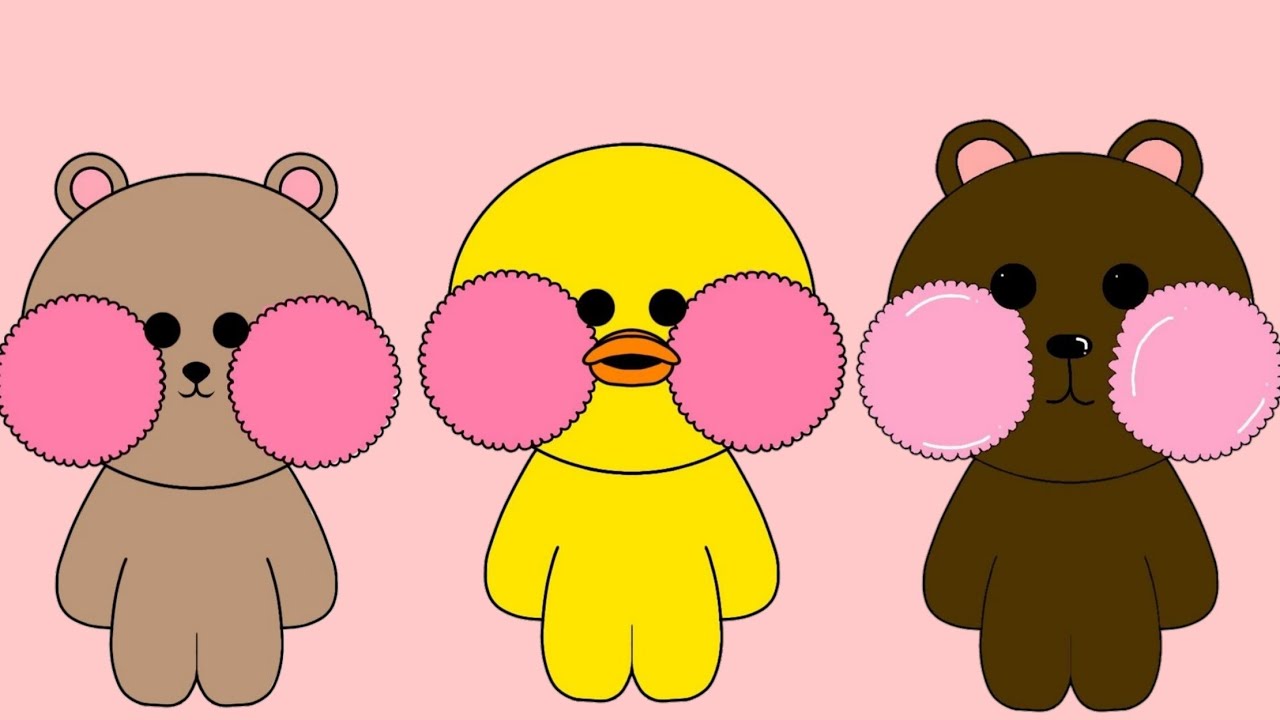
COMO DESENHAR UM PAPER DUCK | Pato de papel famoso do TikTok
Neste vídeo eu vou te ensinar o passo a passo de Como Desenhar um Paper Duck!! #paperduck #duck #lalafanfan.
