Shadow In Sonic 2

Shadow in Sonic 2 is a mysterious and powerful presence that has fascinated players since the early days of the Genesis era, hiding secrets and challenging how we perceive rivals in classic platforming games.
Origins and Introduction of Shadow in the Sonic 2 World
Long before modern adaptations and cinematic universes, Shadow in Sonic 2 existed only as a rumor born from player curiosity and limited technology. Many early gamers speculated about hidden characters, strange glitches, and secret zones that might unlock a darker version of Sonic, but the truth was more grounded in development history than urban legend. Although Shadow himself would not appear fully until later entries in the franchise, subtle hints and mysterious design elements in Sonic 2 planted the seeds for his eventual mythology. The idea of a shadowy rival lurking just beyond the visible world became a compelling narrative hook that extended far beyond a single hidden sprite or unlock screen.
From a design perspective, the absence of an actual playable shadow character in the original 1992 release helped focus attention on the vibrant world of Sonic 2 itself, with its rolling hills, industrial zones, and underwater stages. Still, the concept of a powerful, enigmatic figure watching from the darkness fit perfectly with emerging storytelling trends in gaming. Developers understood that mystery could be just as engaging as immediate revelation, allowing the community to imagine a character who embodied speed, chaos, and defiance. This seeds of doubt and imagination created a lasting legacy that would later be fulfilled with far greater impact in future titles.
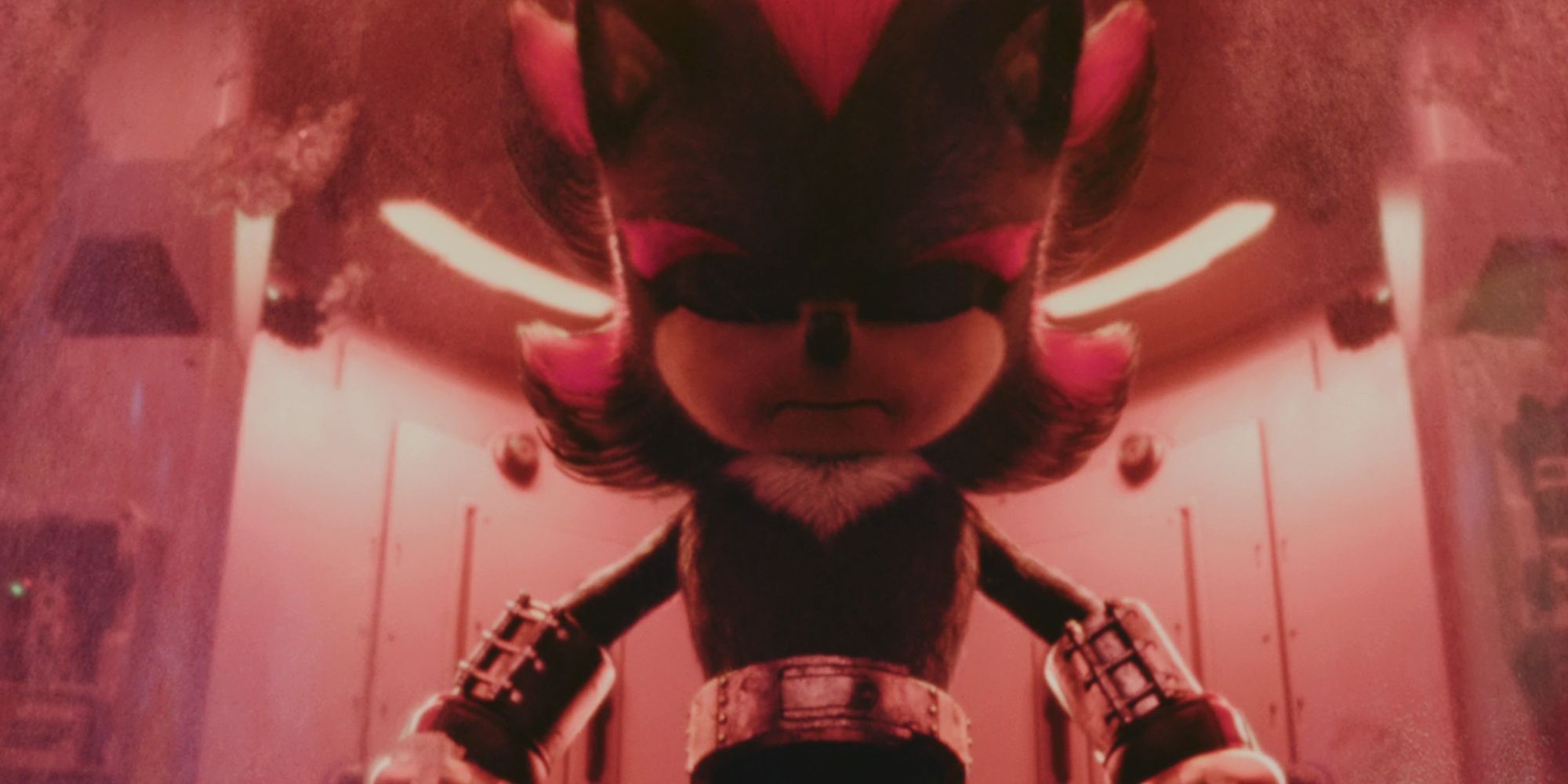
Gameplay Mechanics and Hidden Features Related to Shadow
While Shadow in Sonic 2 never appeared as a standard playable character in the base game, certain gameplay elements fed the speculation and fascination. Glitches such as the famous "Super Peel Out" and various frame-perfect tricks created the illusion of hidden characters or alternate states, blurring the line between ordinary gameplay and secret possibilities. Players experimented with button combinations, level transitions, and timing windows, hoping to stumble upon a secret character select screen that never officially existed. These exploratory habits strengthened the community bond, as friends traded rumors and collaboratively tested theories about what might be hidden just beneath the pixelated surface.
In later re-releases and compilations, the spirit of these rumors was sometimes acknowledged through optional modes, debug menus, or unlockable content that evoked the idea of shadowy alter-egos without directly implementing them as fighters. The evolution of the franchise allowed developers to revisit these concepts with greater clarity, integrating characters like Shadow the Hedgehog in ways that respected the mystique of the early rumors. By the time full character rosters became standard, the legend of Shadow in Sonic 2 had matured into a symbol of the series’ potential for hidden depth. This transition from rumor to realized design demonstrates how early speculation can shape long-term franchise identity.
Cultural Impact and Community Theories
The legend of Shadow in Sonic 2 inspired countless fan theories, artwork, and even early attempts at modding within the technical limits of the era. Online forums, bulletin board systems, and local gaming circles buzzed with speculation about what a shadow-themed character might bring to the table in terms of moves, personality, and narrative role. Some imagined a darker, edgier version of Sonic who challenged the hero not just in speed but in philosophy, representing chaos without purpose rather than controlled rebellion. These creative interpretations helped build a rich tapestry of fan-driven storytelling that extended far beyond the confines of the original cartridge.
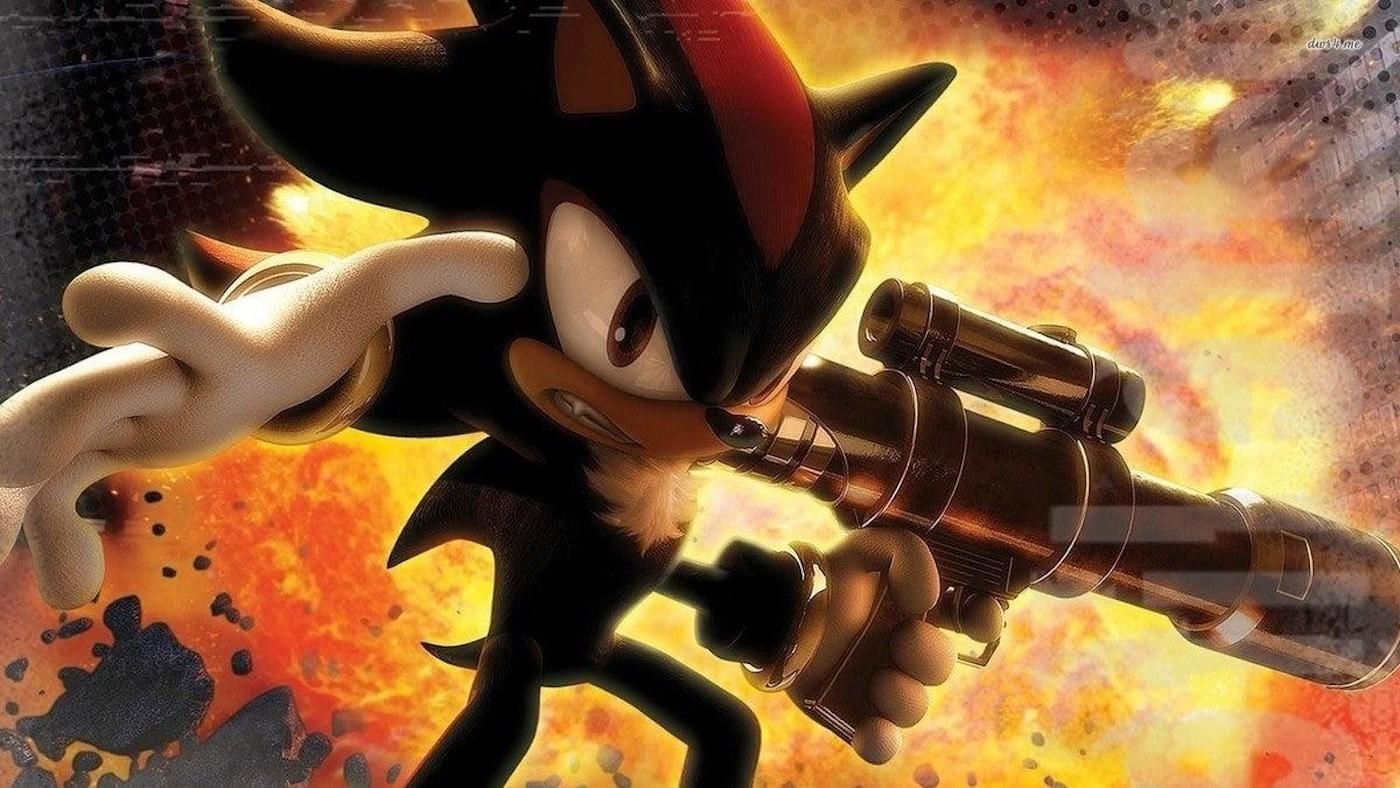
As the years passed, the nostalgic affection for these early mysteries only grew stronger, especially among players who discovered Sonic 2 through retrospectives or reissues. The idea of a hidden shadow character became an integral part of the collective memory surrounding the game, symbolizing the untapped potential of 16-bit era design. Even today, new generations of players encounter references to this legend through documentaries, speedrunning communities, and retrospective videos. The endurance of this myth highlights how effectively Shadow in Sonic 2 captured the imagination of players, turning a technical limitation into a lasting cultural touchstone.
Connection to Modern Shadow the Hedgehog Appearances
When Shadow the Hedgehog finally debuted as a full-fledged character in later installments, the groundwork laid by rumors surrounding Shadow in Sonic 2 made his introduction feel both surprising and inevitable. Players recognized echoes of the early speculation in his design, attitude, and narrative function, creating a satisfying continuity between legend and reality. Rather than dismissing the earlier rumors as mere fantasy, the developers embraced the emotional investment fans had made, transforming speculation into meaningful storytelling. This approach not only honored the legacy of the original game but also demonstrated the power of community engagement in shaping long-running franchises.
The evolution from whispered rumors to official character development showcases the dynamic relationship between players and creators in the gaming industry. What began as a product of limited information and creative imagination matured into a cornerstone of Sonic’s identity, with Shadow becoming one of the franchise’s most complex and enduring figures. By revisiting the origins of these rumors, we gain a deeper appreciation for how Shadow in Sonic 2 contributed to a broader narrative of growth, experimentation, and fan collaboration that continues to influence game design today.
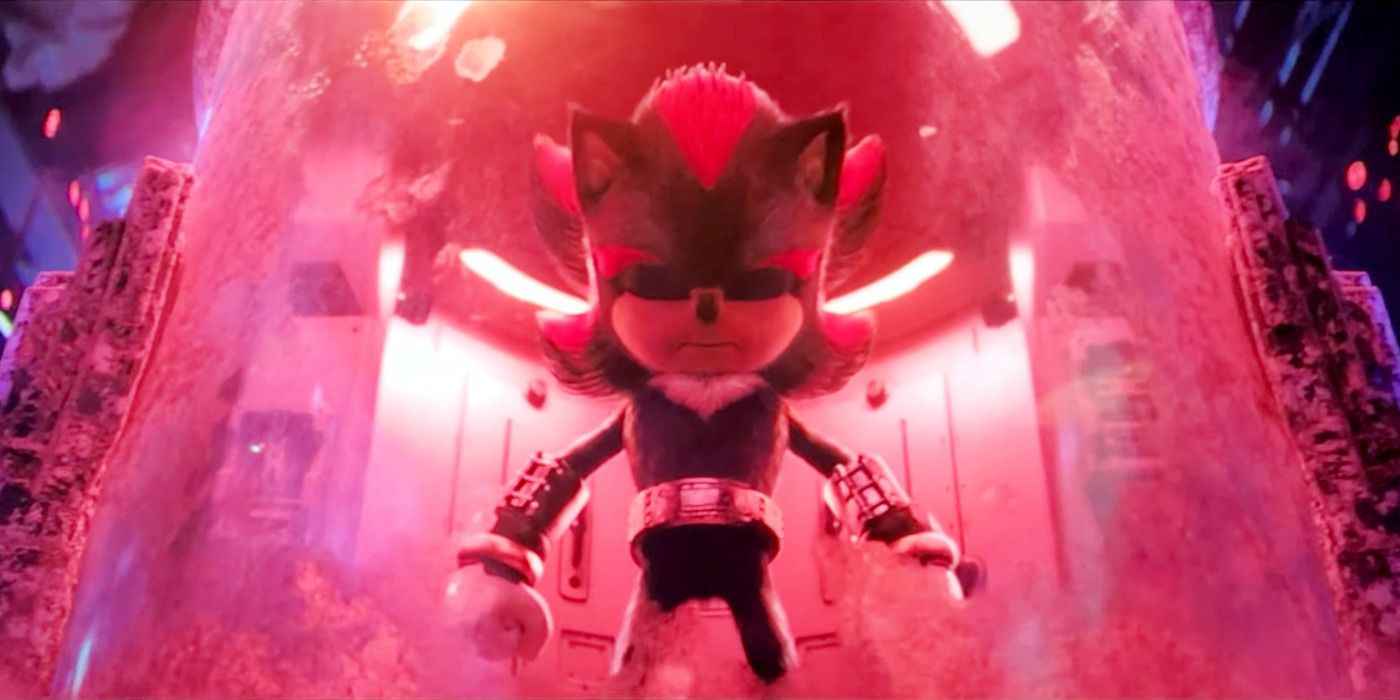
Technical Limitations and Design Choices
The hardware constraints of the early 1990s played a significant role in shaping what was possible in Sonic 2, indirectly fostering the environment where rumors like Shadow could thrive. With limited memory, storage, and processing power, developers had to make difficult choices about what could be included in the final product, often cutting features or secrets that might have otherwise been revealed. These omissions created blank spaces in the player’s mental map of the game, inviting imaginative填补. The absence of a fully realized shadow character was less a deliberate omission and more a consequence of the ambitious scope of Sonic 2’s design, which prioritized fluid movement, level variety, and musical innovation over expansive roster options.
Understanding these technical realities helps contextualize the emergence of the Shadow legend, reminding us that even the most beloved myths often arise from practical constraints rather than intentional secrecy. Modern players, accustomed to expansive character lists and detailed developer commentary, can sometimes overlook how much creativity emerged from these limitations. The story of Shadow in Sonic 2 is therefore not just about a missing character, but about the ways in which players actively participated in completing the game through interpretation, collaboration, and shared imagination. This participatory culture remains one of the most enduring legacies of the 16-bit era.
Conclusion and Lasting Legacy of the Shadow Myth
The story of Shadow in Sonic 2 is ultimately one of possibility, imagination, and the deep connection between players and the games they love. What began as fragmented rumors and speculative play sessions evolved into a foundational element of Sonic’s mythology, proving that even the most elusive ideas can leave a lasting mark on popular culture. By embracing mystery as a creative force, the early Sonic community helped shape a narrative landscape where legends could emerge, mature, and eventually find concrete form. This process continues to influence how new characters and stories are introduced, ensuring that fan voice remains an integral part of game development.

Today, the legend serves as a reminder of the golden age of platform gaming, where limited technology sparked unlimited creativity. Whether encountered through retro gameplay sessions, nostalgic discussions, or modern reinterpretations, the idea of Shadow lurking just beyond the edge of the screen continues to resonate. The enduring appeal of Shadow in Sonic 2 lies not in its absence, but in the powerful imaginative space it created, a space where players could dream, explore, and ultimately help shape the future of a beloved franchise.
(O PROJETO SHADOW)SONIC 2 O FILME:CENA APÓS CRÉDITOS.
