Sonic Heroes Metal Sonic

The Role of Metal Sonic in Sonic Heroes Structure
In Sonic Heroes, the story is told through four distinct teams, each with their own motivations and paths, but the shadow of Metal Sonic stretches across them all. While not every team faces him directly in their main storyline, his presence is felt in the form of intercepted transmissions, taunting messages, and missions that suddenly pivot toward a common threat. The game uses its episodic structure to slowly reveal that this metallic impostor is more than a simple miniboss, positioning him as the true mastermind behind several of the crises the teams encounter.
Each team encounters environmental clues and enemy behaviors that hint at a single, cold intelligence manipulating events from the background. Rather than appearing randomly as a generic villain, Metal Sonic is framed as the logical extreme of Doctor Eggman's ambition, a perfect weapon that can execute plans without doubt or hesitation. This narrative framing makes every confrontation feel like a necessary step in shutting down a growing mechanical threat, giving the teams a shared purpose that culminates in a decisive showdown.
Team by Team: Encounters with the Metallic Rival
The game does not treat each team the same when it comes to Metal Sonic, reflecting their unique roles and narrative weight. Team Sonic, being the primary bearers of the Chaos Emeralds, naturally draws his most direct attention, and their stages often lead to the most memorable confrontations. Team Dark, Team Rose, and Team Chaotix still face mechanized enemies and echoes of his design, but their personal encounters are often more about uncovering his plans than stopping him head on.
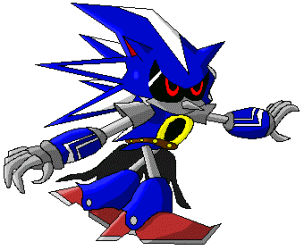
- Team Sonic faces Metal Sonic in stages that emphasize speed, precision, and high stakes, turning familiar loops into arenas for a battle of wills.
- Team Dark operates in grittier environments where the metallic menace feels more like a lurking predator than an in your face rival.
- Team Rose and Team Chaotix encounter corrupted signals and robotic minions that gradually reveal the scope of his infiltration.
This differentiated approach keeps each team's journey fresh while still tying them together with a common antagonist. Players get to experience the same character from multiple angles, which reinforces how versatile and persistent Metal Sonic has become in the broader Sonic universe.
Boss Design and the Evolution of Metal Sonic
Boss fights against Metal Sonic in Sonic Heroes are designed around his abilities, turning his speed, strength, and weaponry into a series of challenging patterns. Unlike earlier boss encounters that relied on simple attack and dodge cycles, these fights demand that players master team mechanics, switch between characters at the right moment, and exploit openings in a relentless advance. The arena design, camera angles, and enemy placement all work together to create tense, high pressure encounters that can feel as dynamic as the fastest Sonic race.
Over the years, Metal Sonic has undergone numerous redesigns, but Sonic Heroes captures a distinct era where his silhouette is instantly recognizable and deeply intimidating. His more angular armor, glowing highlights, and sharper detailing set him apart from the almost cute aesthetic of the world’s hero. This visual contrast makes every encounter with him feel significant, as if the game itself is acknowledging that it is facing something truly artificial and dangerous.
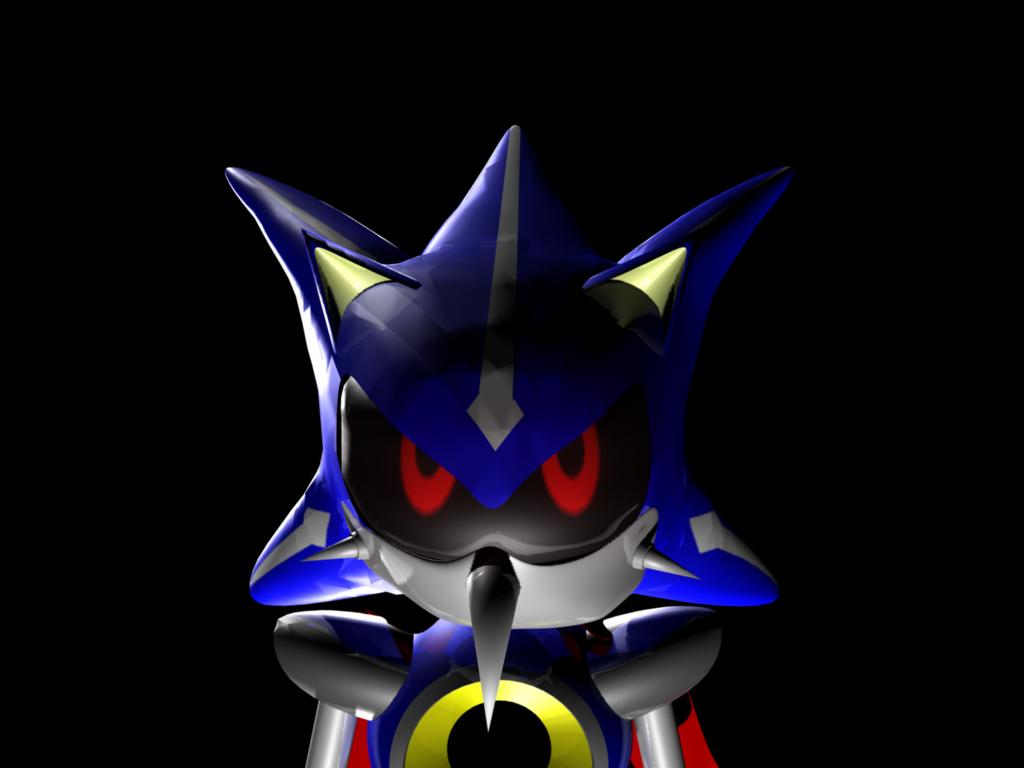
Signature Moves and Fight Phases
During these battles, he can replicate Sonic’s moveset with unsettling accuracy, turning a familiar dash into a dangerous ambush. Players must pay close attention to telegraphed attacks, such as ground pounds, laser blasts, and homing strikes, learning when to dodge, when to counter with a team maneuver, and when to switch characters for a better matchup. Each phase of the fight introduces new patterns, forcing the teams to adapt on the fly and coordinate in ways that feel both challenging and rewarding.
Gameplay Mechanics: Team Switching and Coordination
One of the defining features of Sonic Heroes is the ability to switch between team members at any time, and this mechanic becomes crucial when facing Metal Sonic. Players can cycle from a speed focused character to a power or flight type in an instant, allowing them to respond to different phases of the boss fight or navigate complex stage layouts that might otherwise be impossible. Proper use of team synergy is often the difference between victory and a humiliating restart.
Against Metal Sonic, timing a well executed team attack can deal significant damage while keeping the player safe. The game encourages experimentation, letting players discover which combinations work best against his varied arsenal. Because he mirrors many of Sonic’s signature moves, understanding the rhythm of his animations gives players a subtle but powerful advantage, especially during longer endurance phases where stamina and positioning matter.
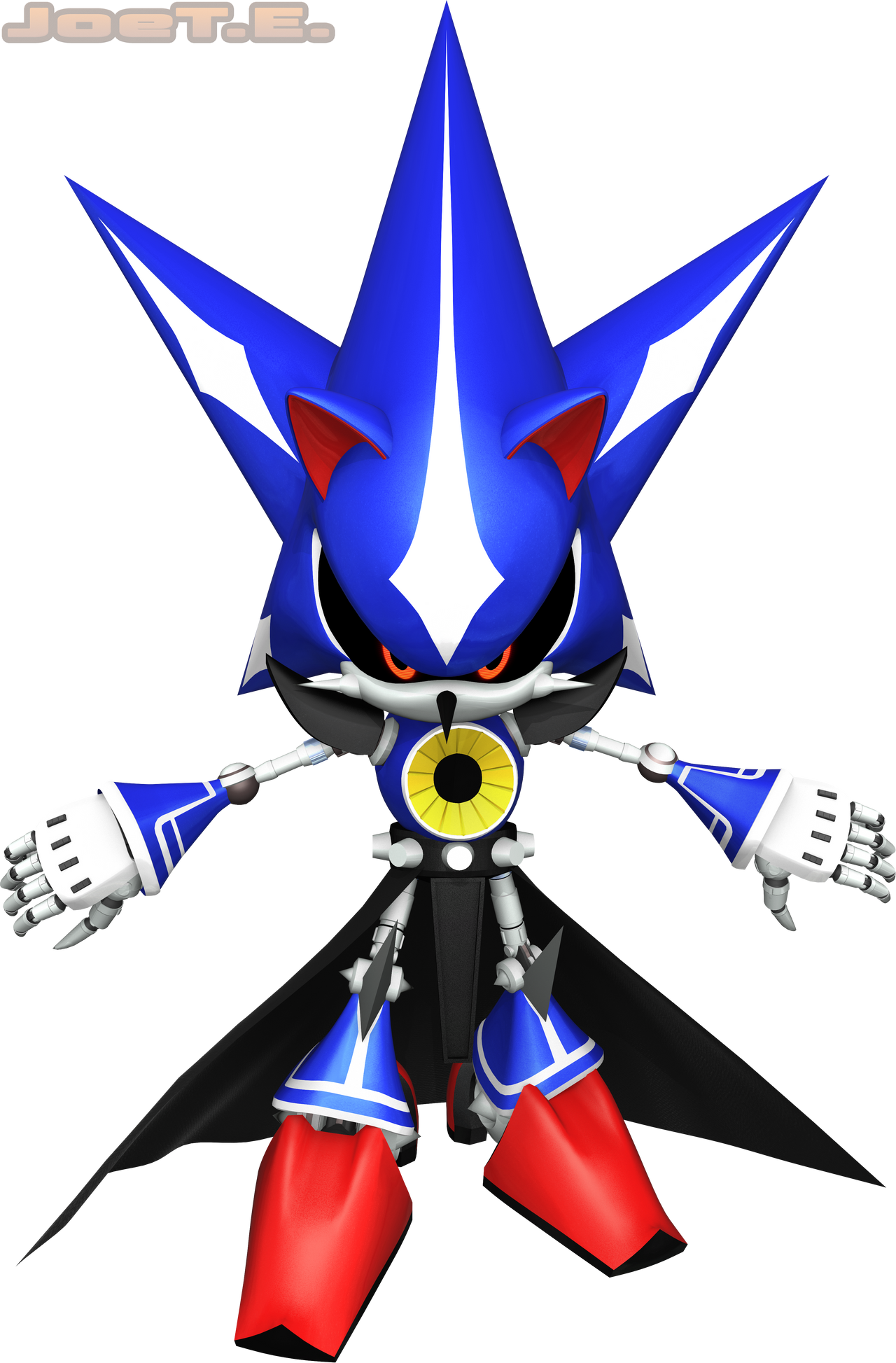
Why Metal Sonic Remains Iconic in Sonic Heroes
What makes Metal Sonic so memorable in Sonic Heroes is not just his appearance or his attacks, but the way he challenges the very idea of teamwork and friendship that the game celebrates. While the heroes fight for their own goals at first, they gradually unite around the common purpose of stopping a force that threatens everyone. This convergence of personal motives and shared danger makes the final confrontations feel emotionally charged and narratively satisfying.
His role as a mirror of Sonic also adds a layer of psychological tension, as players are constantly reminded that speed without discipline, or power without compassion, can lead to a cold, mechanical existence. By the time the teams face him in the climax, he is no longer just a robot copy but a symbol of what could happen if the world’s fastest hedgehog were twisted by obsession and control.
Legacy and Lasting Impact
Long after the credits roll, Metal Sonic remains a defining element of the Sonic Heroes experience, frequently referenced in fan discussions, remixes, and retrospective features. His design, fight choreography, and narrative weight have influenced later boss encounters not only in the main series but also in spin off titles and fan projects. The way he integrates seamlessly into a multi team structure showcases the versatility of the Sonic formula and reinforces the idea that even a copy can leave a lasting mark.
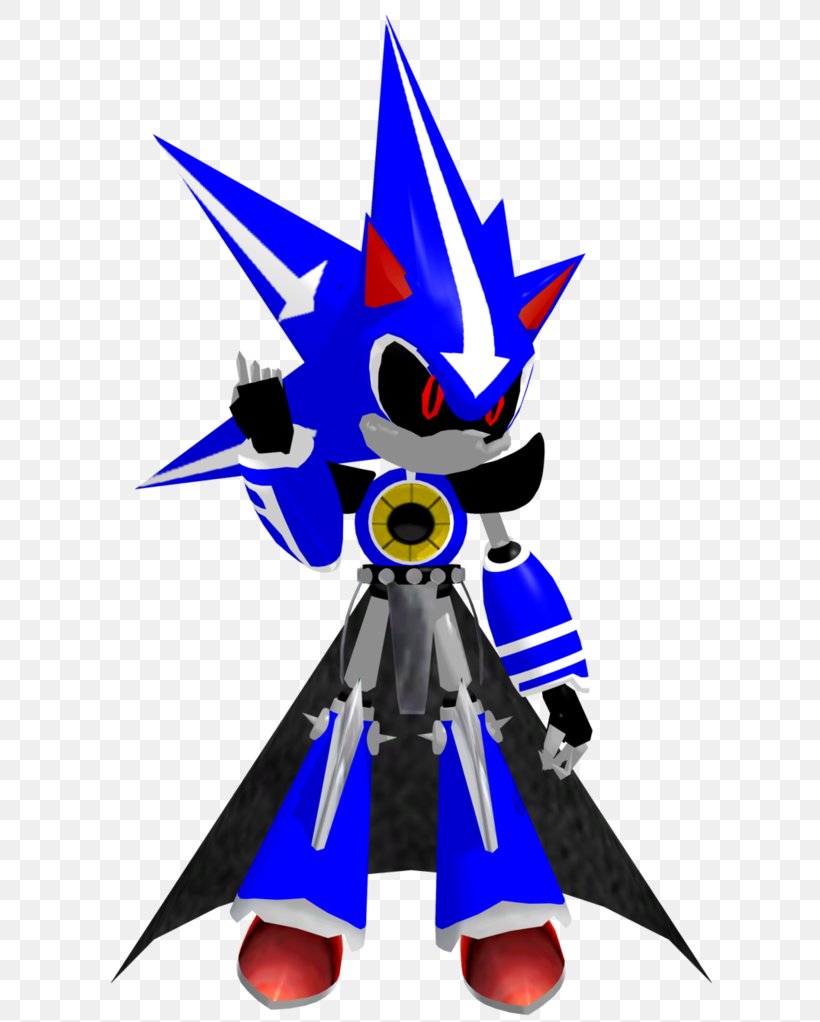
Whether you faced him for the first time years ago or are encountering his metallic menace for the first time in a retrospective, Metal Sonic in Sonic Heroes stands as a high point in boss design. He combines speed, strategy, and storytelling into a single encounter that challenges players to think as a team while appreciating the artistry behind every dash, spin, and explosive collision. In the end, he proves that even a machine built to copy the hero can never truly replace the heart that drives him.
Sonic Heroes - Metal Sonic Transformation [1080p HD]
Metal Sonic's transformation into both Metal Madness and Metal Overlord from Sonic Heroes in 1080p HD Widescreen. Enjoy!
