Super Mario Bros Mario Luigi
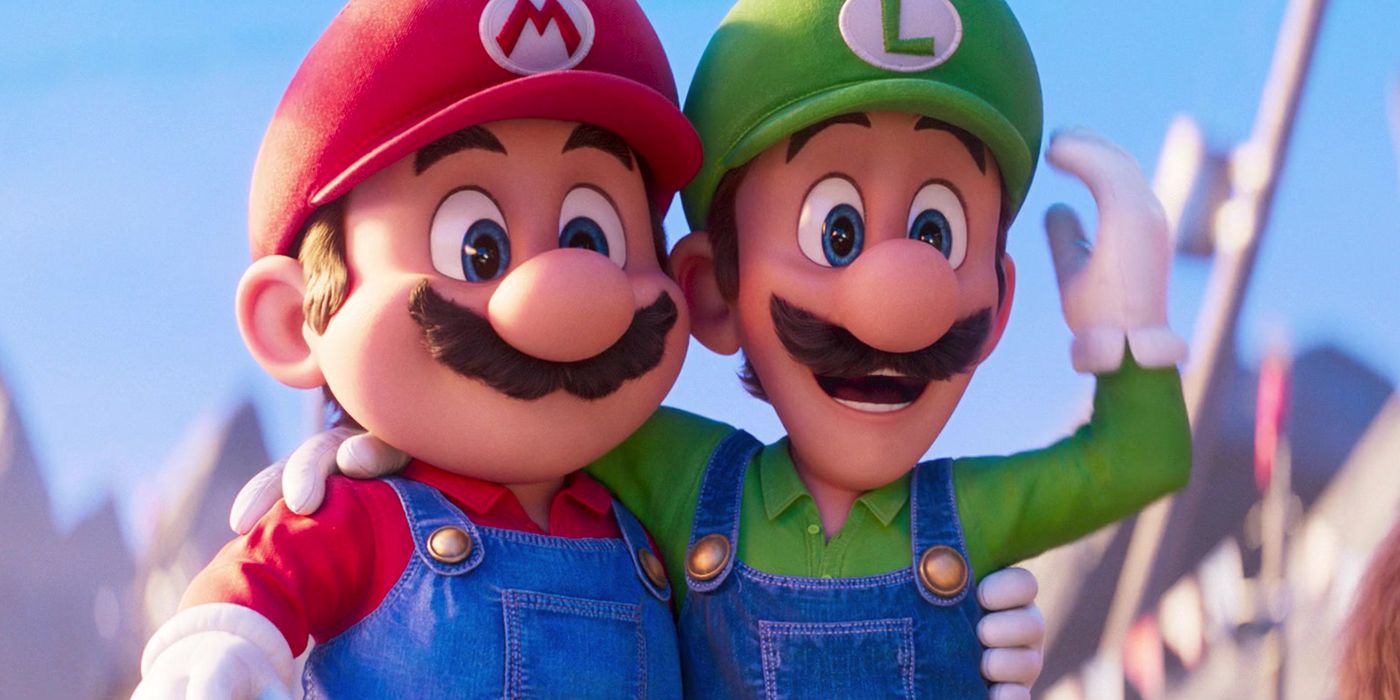
Since its groundbreaking debut, Super Mario Bros Mario Luigi has defined platforming excellence and shaped the childhoods of millions around the world.
The Origins and Evolution of Mario and Luigi
The story of Super Mario Bros Mario Luigi begins in the early 1980s, when Nintendo sought a character to anchor a new kind of arcade experience. Shigeru Miyamoto drew inspiration from urban legends and classic cartoons, crafting a plumber who could jump, run, and interact with a vibrant, rule-bound world. Mario debuted in arcade cabinets, quickly becoming a symbol of approachable yet challenging gameplay. Luigi, introduced shortly after, served as a palette-swapped counterpart, but over time he developed a distinct identity marked by taller stature, nervous personality, and loyal partnership.
As the franchise expanded, so did the relationship between Super Mario Bros Mario Luigi. Developers experimented with cooperative mechanics in early titles, allowing both brothers to navigate levels side by side. These experiments laid the groundwork for more sophisticated interactions, where complementary abilities and synchronized movements became central to puzzle-solving and exploration. The evolution of their roles mirrored broader advances in hardware, enabling richer level design, tighter controls, and deeper narrative context for the duo.

Gameplay Mechanics and Level Design
In classic Super Mario Bros Mario Luigi experiences, the core loop revolves around running, jumping, and timing. Players alternate between controlling Mario and Luigi, each reacting differently to momentum, enemy behavior, and environmental hazards. This subtle difference in handling encourages thoughtful coordination, especially when navigating narrow platforms or avoiding pitfalls. The interplay between speed, jump height, and landing precision creates a rhythm that feels both intuitive and demanding.
Level design in Super Mario Bros Mario Luigi titles often emphasizes verticality and layered paths, inviting players to experiment with routes. Coins, hidden blocks, and alternate exits reward curiosity and mastery. Power-ups such as the Super Mushroom, Fire Flower, and Starman transform gameplay by expanding offensive capabilities and defensive resilience. In two-player sessions, these items can be shared or contested, adding strategic depth to cooperation and occasional friendly rivalry within Super Mario Bros Mario Luigi adventures.
The Emotional Bond Between Brothers
Beyond mechanics, the connection between Mario and Luigi resonates because of their contrasting personalities. Mario often takes the lead, embodying confidence and decisiveness, while Luigi struggles with fear yet repeatedly steps forward to support his brother. This dynamic mirrors real sibling relationships, where rivalry coexists with loyalty and mutual protection. Their shared journeys through haunted mansions, underground kingdoms, and cosmic threats reinforce the idea that courage is not the absence of fear, but action in spite of it.

Narrative elements in Super Mario Bros Mario Luigi experiences frequently highlight this bond. Cutscenes, text, and environmental storytelling emphasize teamwork during high-stakes moments. Whether rescuing Princess Peach or confronting Bowser, the brothers rely on each other’s strengths. Fans often project their own memories of collaboration and competition onto these characters, which helps explain the enduring emotional attachment to Super Mario Bros Mario Luigi narratives.
Multiplayer Dynamics and Cooperative Play
Multiplayer sessions are where Super Mario Bros Mario Luigi truly shine as a shared social experience. Side-by-side scrolling challenges friends to communicate, plan, and adapt on the fly. Friendly nudges, item theft, and simultaneous jumps create moments of laughter and tension. The forgiving nature of most cooperative modes ensures that mistakes become learning opportunities rather than sources of frustration.
- Turn-based play in select sections allows each player to shine without overwhelming the other.
- Simultaneous action segments demand precise timing, fostering a sense of synchronized achievement.
- Competitive mini-games within larger titles introduce light rivalry, keeping long sessions fresh.
Designers have carefully tuned difficulty curves to accommodate different skill levels, ensuring that newer players can contribute while veterans enjoy complex sequences. This balance is crucial for maintaining harmony in Super Mario Bros Mario Luigi sessions, where the joy of collaboration often outweighs the stress of competition.

Cultural Impact and Legacy
The influence of Super Mario Bros Mario Luigi extends far beyond the screen. Merchandise, animated series, comics, and live events have kept the brothers in the public consciousness for decades. Their images appear on clothing, accessories, and collectibles, symbolizing both nostalgia and ongoing innovation. Each new generation discovers Super Mario Bros Mario Luigi through remakes, ports, and reinterpretations, ensuring that their adventures remain culturally relevant.
Critics and scholars have also examined the brothers as symbols of perseverance, family values, and imaginative problem-solving. The simplicity of their goals—move right, defeat enemies, rescue a princess—belies the sophisticated level engineering that hides beneath. This combination of clarity and depth has allowed Super Mario Bros Mario Luigi to endure as a benchmark for platformers and a touchstone for discussions about game design, storytelling, and player agency.
Modern Interpretations and Future Possibilities
Recent entries in the franchise have embraced 3D spaces, open-ended exploration, and refined combat systems while retaining the tight platforming that fans love. Developers experiment with asymmetric gameplay, where Mario and Luigi possess subtly different tools and traversal options, encouraging creative approaches to obstacles. Online features, leaderboards, and shareable replays extend the social dimension of Super Mario Bros Mario Luigi into the digital age.

Looking ahead, emerging technologies such as cloud gaming and cross-platform play could further transform how brothers team up across distances. Experimental indie titles continue to draw inspiration from the core formula, proving that the partnership between Mario and Luigi remains fertile ground for innovation. As long as players seek cooperative adventures filled with heart, humor, and challenge, Super Mario Bros Mario Luigi will continue to evolve while honoring the timeless appeal that made them icons in the first place.
Ultimately, the legacy of Super Mario Bros Mario Luigi lies in their ability to bring people together through shared wonder, resilient spirit, and endlessly creative worlds to explore.
Super Mario Bros (1985) NES - 2 Players, Amazing co-op with 99 lives tricks!
This is one of the most interesting Super Mario Bros. where you can play Mario and Luigi in co-op mode. Super Mario full playlist: ...
